
A rotation of five reliable meals that actually get eaten delivers more nutrition over a month than a rotating menu of ambitious recipes that end up in the trash. Repetition isn't a failure here — it's the plan working.
Why it's different
Why picky eating needs a different kind of plan
A standard meal plan assumes any reasonably healthy recipe is fair game. A plan for picky eaters has to work around texture aversions, color and shape preferences, and food fatigue — and it has to get eaten to matter, which changes almost every decision in the plan.
8–15x the number of exposures a new food often takes before a hesitant eater accepts it
1 new food the practical limit per meal when the rest of the plate is already familiar
3–5 a realistic weekly rotation of accepted meals most picky-eater plans start from
Many picky eaters, kids especially, accept the same ingredients far more readily when they're served separately — plain chicken, plain rice, plain broccoli — than when mixed into a casserole or stir-fry.
Introducing a new food alongside an already-accepted plate, rather than replacing the whole meal, keeps the stakes low and makes it far more likely to eventually get tried.
A beautifully balanced meal that goes uneaten provides zero nutrition. Planning has to work backward from the small set of foods that are reliably accepted, then fill gaps with what will actually go in.
What it looks like
A sample day on a picky-eater meal plan
Around 1,800 calories built from familiar, separated components — with one small new-food option offered alongside a food that's already accepted.
Example day on the plan
~1,800 calories3–5 accepted core meals80–100 g protein1/meal new food exposures
7:30 AM Build-your-own wafflePlain waffle, side of berries and yogurt served separately 380 kcal
12:00 PM Plain chicken & rice bowlGrilled chicken strips, plain rice, cucumber slices on the side 480 kcal
3:00 PM Cheese & crackersString cheese, whole-grain crackers, apple slices 260 kcal
6:00 PM Familiar pasta + one new itemPlain buttered pasta and meatballs, with a small taste of roasted carrot offered on the side 560 kcal
7:30 PM Milk & a small treat1 cup milk, a few crackers or a small sweet 170 kcal
Smart swaps
A mixed casserole The same ingredients served separatelyDeconstructing a dish removes the texture and flavor-mixing that causes most refusals.
A brand-new recipe for dinner One new item served alongside an accepted mealKeeps the meal low-risk while still creating a chance to expand the rotation.
Pressuring a clean plate A 'no thank you bite' with no pressure beyond thatRemoves the mealtime power struggle that tends to reinforce refusal over time.
Hiding vegetables in sauces Vegetables served visibly, separately, alongside a safe foodBuilds trust in what's on the plate, which matters more long-term than one hidden serving.
How Burnplate handles it
How Burnplate plans around picky eating
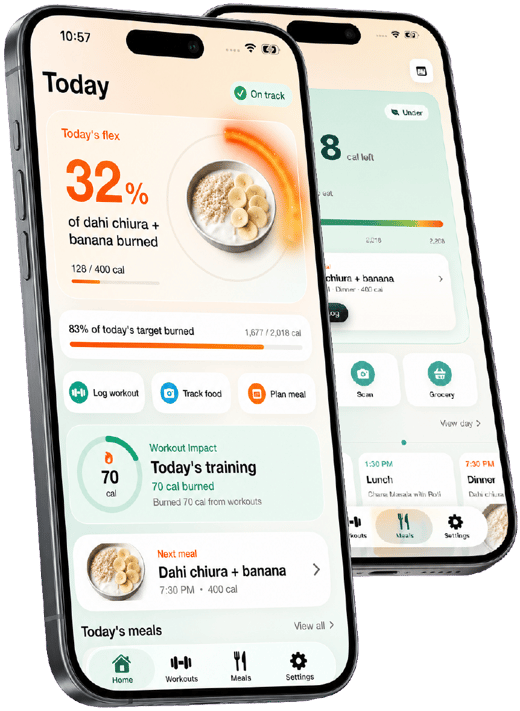
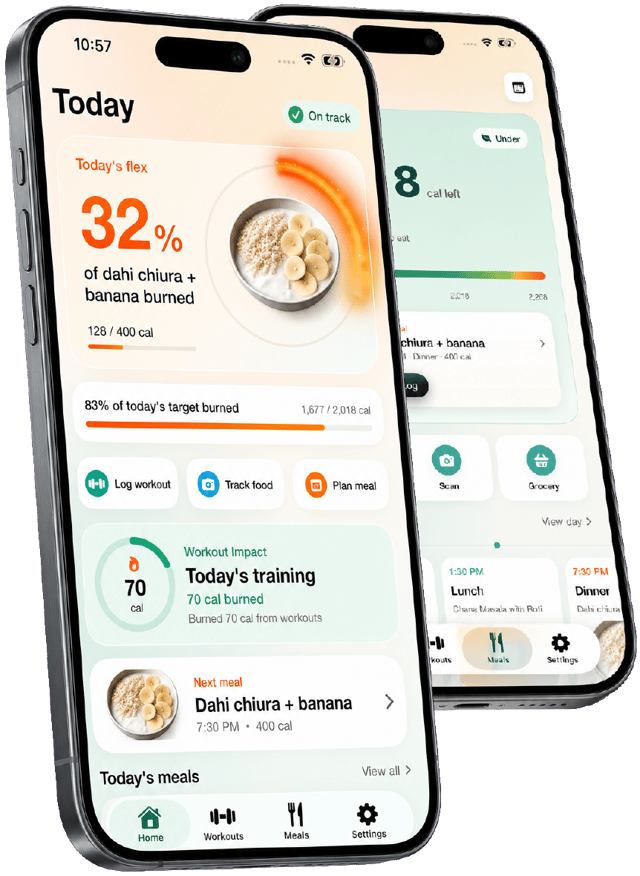
Burnplate builds a plan from your stated food preferences, which makes it well suited to a picky-eater household — the plan works with the foods that are already accepted instead of assuming a blank slate.
A 7-day plan built on your preferences
Set the foods and formats that work for your household and Burnplate builds a rotation around them, instead of suggesting recipes that are guaranteed to bounce back untouched.
One-tap swaps when a meal gets refused
If a planned dinner isn't landing, swap it for another accepted meal and Burnplate keeps the day's calories on target without a scramble.
Groups for the whole family's plate
Family accounts let you log what each person actually ate, so one household's plan can track a picky eater and the rest of the family without merging everyone's numbers together.
Photo logging for real, unmeasured plates
Kid portions rarely match a recipe exactly — a photo log lets you record what was actually eaten in seconds instead of estimating from a recipe card.
Practical guidance
Tips for meal planning with a picky eater
Small structural habits that reduce mealtime conflict while still expanding what gets eaten over time.
- 01 Keep one safe food on every plate
A guaranteed-accepted item removes the pressure to eat the new thing to avoid going hungry, which paradoxically makes trying it easier.
- 02 Serve components separately
Plain, separated foods are accepted far more often than the same ingredients combined into one dish.
- 03 Introduce one new food at a time
Pairing a new food with an already-loved meal, rather than serving an entirely new dish, keeps the risk low for a hesitant eater.
- 04 Expect repeated exposure, not one try
Most new foods need to be seen and offered many times before they're accepted — a single refusal isn't a verdict.
- 05 Let dips and sauces do the work
A familiar dip can make a new vegetable or protein far more approachable without changing the food itself.
- 06 Keep 3–5 reliable meals in rotation
A small, dependable set of accepted meals is a stronger foundation than trying to force variety before it's tolerated.

Get the week planned in one tap
Build my meal plan Burnplate builds a 7-day meal plan around your calories, protein and food preferences, writes the grocery list, and lets you swap any meal you don't feel like.
Questions
Meal planner for picky eaters: FAQ
What are healthy meal ideas for picky eaters?
Build-your-own formats work well: plain proteins, familiar starches and vegetables served separately rather than combined. Waffles with fruit on the side, plain pasta with meatballs, and chicken-and-rice bowls are reliable starting points that are easy to make more balanced over time.
How do I meal plan for a picky eater?
Start from the foods already accepted and build a small rotation of three to five reliable meals around them. Add one new food at a time alongside a familiar dish, and prioritize getting a balanced amount eaten over serving an ambitious, ideal-looking plate.
How many times should I offer a new food?
Research on food acceptance suggests it can take eight to fifteen exposures, sometimes more, before a hesitant eater accepts a new food. Offering it without pressure alongside a safe food, repeatedly and without expecting immediate success, works better than a single big push.
Should I hide vegetables in food for a picky eater?
It can work in the short term, but many nutrition guidelines favor serving vegetables visibly alongside familiar foods so trust and acceptance build over time. Hiding vegetables can also mask how little variety is actually being eaten, making the gap harder to track.
Does Burnplate work for a family with a picky eater?
Yes — you can build a plan around the foods your household already eats, and family groups let you track a picky eater's meals separately from everyone else's targets. Burnplate doesn't diagnose feeding issues, but it removes the daily planning burden around them.
What should picky eaters eat for protein?
Familiar, plain proteins tend to work best: grilled chicken strips, eggs, cheese, yogurt, and nut butters are commonly accepted starting points. Introducing new proteins alongside one of these, rather than replacing them, usually goes further than a completely new dish.
