A large meal stretches the stomach and increases pressure against the lower esophageal sphincter, which can trigger reflux even with foods that don't normally bother you. Smaller, more frequent meals reduce that pressure directly.
Why it's different
Why a GERD diet plan is different
Most meal plans only think about what's on the plate. A reflux plan has to also manage how much is eaten at once, how fast, and how long before lying down — because the mechanism is physical pressure and a relaxed sphincter, not just chemical irritation.
3 hrs is the minimum gap most guidelines recommend between your last meal and lying down
4–5 smaller meals a day is often easier on the lower esophageal sphincter than 2–3 large ones
5–10% body weight lost often reduces reflux frequency by lowering pressure on the stomach
High-fat and fried meals sit in the stomach longer, giving acid more time and more volume to reflux upward. This is why a creamy or fried dish causes symptoms that a leaner version of the same meal doesn't.
Mint, chocolate, caffeine and alcohol all relax the lower esophageal sphincter itself, not just irritate the esophagus — which is why they're common triggers even in small amounts for some people.
Lying down soon after eating removes gravity's help in keeping stomach contents down. The same meal eaten at 6 PM and 10 PM can produce very different nights.
What it looks like
A sample day on a reflux-friendly meal plan
Around 1,800 calories split across five smaller meals, lower fat, no common triggers, finishing well before bedtime.
Example day on the plan
~1,800 calories5 smaller meals/daymoderate, not fried fat3+ hrs before bed last meal
7:00 AM Oatmeal with banana½ cup oats, 1 banana, cinnamon, no citrus 320 kcal
10:00 AM Melon and turkey slices1 cup melon, 2 oz sliced turkey 180 kcal
12:30 PM Grilled chicken and rice bowl120 g grilled chicken, 1 cup rice, steamed green beans 460 kcal
3:00 PM Plain crackers and low-fat cheese6 whole-grain crackers, 1 oz low-fat cheese 220 kcal
5:30 PM Baked fish, sweet potato and greens140 g white fish, 1 small sweet potato, steamed spinach 480 kcal
7:30 PM Herbal tea and plain rice cakesChamomile tea, 2 rice cakes 120 kcal
Smart swaps
Fried chicken Grilled or baked chickenCuts the fat load that slows stomach emptying and increases reflux time.
Tomato-based pasta sauce Olive oil and herb sauceTomato is acidic and a common trigger; an oil-and-herb base is gentler for most people.
Coffee after dinner Herbal teaCaffeine relaxes the lower esophageal sphincter, which is exactly what you don't want before bed.
Mint tea or gum Ginger teaMint is a known trigger that relaxes the sphincter; ginger is often better tolerated and may ease nausea.
How Burnplate handles it
How Burnplate plans a reflux-friendly week
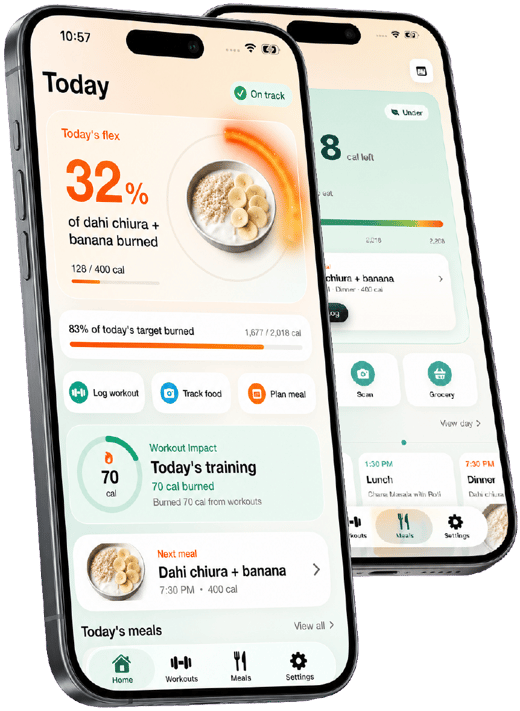
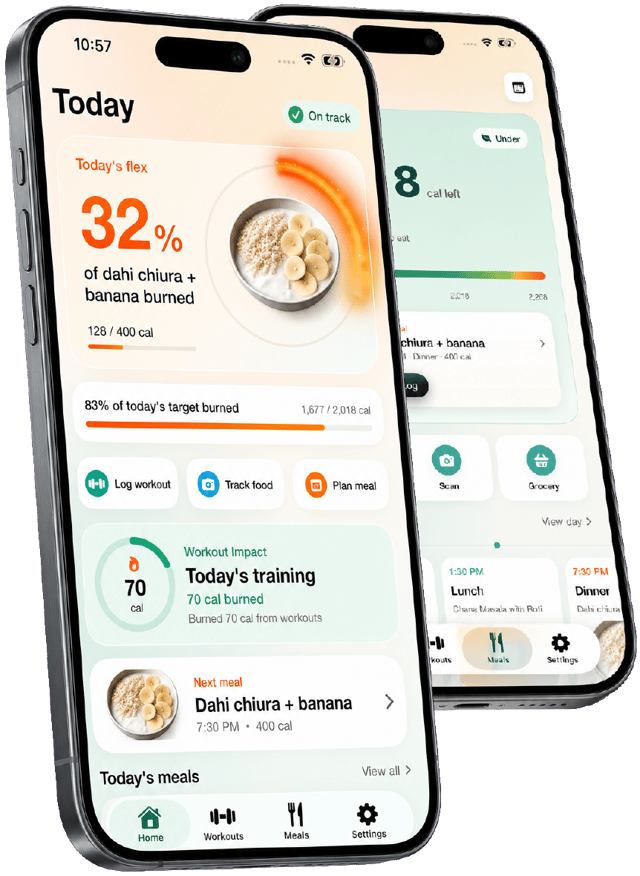
Burnplate isn't a medical device and doesn't diagnose GERD. What it does is turn a smaller-meals, lower-trigger pattern into a week of real food so you're not guessing at portion sizes and timing every day.
A 7-day plan sized around smaller meals
Tell Burnplate your calorie target and it can structure the day into more frequent, smaller meals instead of two or three large ones, which is the single biggest lever for reflux frequency.
Photo logging catches portion creep
Snap a plate and Burnplate estimates the calories, which makes it easier to notice when a meal has grown past the size that tends to trigger symptoms for you.
Grocery list built around your plan
Every plan comes with a consolidated shopping list, so leaner cuts and trigger-free staples are already on hand instead of a fried or heavy option being the easy default.
Swap any meal, keep the day's structure
Don't want fish tonight? Swap it and Burnplate keeps the meal's size and calories in range, so the smaller-meal pattern that helps reflux stays intact.
Practical guidance
Practical tips for eating with acid reflux
Structural habits around timing and portion size that matter more than any single food swap.
- 01 Stop eating 3 hours before bed
This single change resolves symptoms for many people faster than any food elimination — gravity does real work while you're upright.
- 02 Eat smaller, more often
Four to five smaller meals reduce stomach pressure compared to two or three large ones, which lowers reflux frequency directly.
- 03 Identify your personal triggers, not the whole list
Coffee, mint, citrus, tomato, alcohol and fried food are common triggers, but not everyone reacts to all of them. Track what actually bothers you rather than cutting everything at once.
- 04 Sit upright after eating
Staying upright for at least an hour after a meal, especially the evening one, keeps stomach contents where they belong.
- 05 Lose weight gradually if you carry extra around the middle
Abdominal weight increases pressure on the stomach; even a modest loss often reduces reflux frequency.
- 06 Watch carbonation and alcohol together
Both relax the sphincter and add stomach pressure — the combination at a meal is a common trigger for an otherwise fine evening.

Get the week planned in one tap
Build my meal plan Burnplate builds a 7-day meal plan around your calories, protein and food preferences, writes the grocery list, and lets you swap any meal you don't feel like.
Questions
Meal planner for acid reflux and GERD: FAQ
What is the best diet plan for GERD?
There's no single food list that works for everyone, but the common structure is smaller, more frequent meals, lower fat and fried food, avoiding personal trigger foods like mint, coffee, citrus and tomato, and finishing eating at least three hours before lying down.
What foods should I avoid with acid reflux?
The most common triggers are fried and fatty foods, mint, chocolate, coffee and caffeinated drinks, citrus, tomato-based sauces, carbonated drinks and alcohol. Not everyone reacts to all of them — tracking your own pattern is more useful than avoiding every item on a general list.
Does meal timing really affect acid reflux?
Yes, meaningfully. Lying down within a few hours of eating removes gravity's help keeping stomach contents down, and a large meal late in the day increases stomach pressure right when you're about to lie flat. Many people see improvement from timing changes alone.
Can losing weight help GERD?
Often, yes. Extra weight around the abdomen increases pressure on the stomach and lower esophageal sphincter. Studies consistently show that even a modest weight loss, around 5–10% of body weight, reduces reflux frequency for many people.
Are smaller meals actually better for reflux than three big meals?
For most people with reflux, yes. A large meal stretches the stomach and increases pressure against the sphincter, which can trigger symptoms even from otherwise tolerable foods. Splitting the same calories across four or five smaller meals reduces that pressure.
Can Burnplate help me plan meals around GERD triggers?
Burnplate builds a 7-day meal plan around your calorie target and can structure it into smaller, more frequent meals with a grocery list to match. It isn't a medical device and doesn't diagnose GERD or replace guidance from your doctor.
