
Unlike glucose, fructose from added sugar and sweetened drinks is metabolized almost entirely in the liver, where excess amounts convert readily to fat — making sugary drinks one of the most direct dietary drivers of fatty liver.
Why it's different
Why fatty liver needs its own approach
Non-alcoholic fatty liver disease is unusually responsive to specific food choices, not just total calories — which is why cutting sugar tends to matter more here than in most other conditions.
7-10% body-weight loss is the range shown to significantly reduce liver fat, sometimes reversing early fatty liver
<25 g added sugar a day is a common target, since fructose is metabolized largely by the liver itself
3-5×/wk servings of olive oil, nuts or fish is typical in the Mediterranean-style pattern most studied for fatty liver
Losing 7-10% of body weight has been shown in studies to meaningfully reduce liver fat and inflammation, and is considered the primary lifestyle treatment for non-alcoholic fatty liver disease.
White bread, white rice and other rapidly-digesting starches produce the same kind of insulin and fat-storage response in the liver as added sugar does, even without tasting sweet.
Higher in olive oil, fish, vegetables and whole grains and lower in red meat and refined carbs, it's the specific eating pattern most studied for reducing liver fat, independent of weight loss.
What it looks like
A sample day for fatty liver
Around 1,680 calories with added sugar kept low, whole grains in place of refined carbs, and olive oil and fish as the main fat sources.
Example day on the plan
modest deficit caloriesunder 25 g added sugar28 g+ fiber / dayminimal or none alcohol
7:30 AM Vegetable omelette with avocado3 eggs, spinach, peppers, ½ avocado 380 kcal
12:30 PM Grilled chicken and farro bowl5 oz chicken, ½ cup farro, roasted vegetables, olive oil 480 kcal
3:30 PM Apple with a small handful of walnuts1 apple, about 12 walnuts 200 kcal
6:30 PM Baked cod with lentils and greens5 oz cod, ½ cup lentils, sauteed greens, olive oil 460 kcal
8:00 PM Plain yogurt with berries¾ cup plain yogurt, ½ cup berries 160 kcal
Smart swaps
Soda or sweetened drinks Water, unsweetened tea or coffeeRemoves the fructose load the liver has to process directly, one of the biggest single levers
White bread or white rice Whole grains like farro, quinoa, oats or brown riceSlows digestion and lowers the insulin and fat-storage response that refined carbs and sugar share
Butter or fried foods Olive oil, baked or grilledMatches the Mediterranean-style pattern shown to reduce liver fat independent of calories
Regular alcohol intake Minimal or noneAlcohol adds a direct, separate burden on liver fat metabolism on top of diet
How Burnplate handles it
How Burnplate plans a fatty-liver-conscious week
Burnplate builds the specific pattern that helps here — lower sugar, whole grains, olive oil and fish — into a repeatable week.
A calorie target built for gradual, sustainable loss
Burnplate sets a personalized deficit from your body and goal, matching the steady pace, not crash dieting, shown to reduce liver fat effectively.
A 7-day plan that's naturally lower in added sugar
The AI meal plan builds real meals around your preferences rather than packaged, sweetened foods, with a grocery list to match.
Log a drink or snack, see the sugar
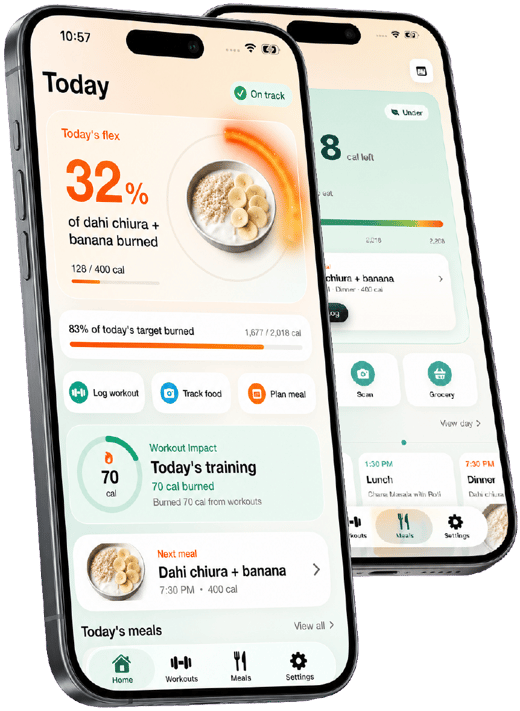
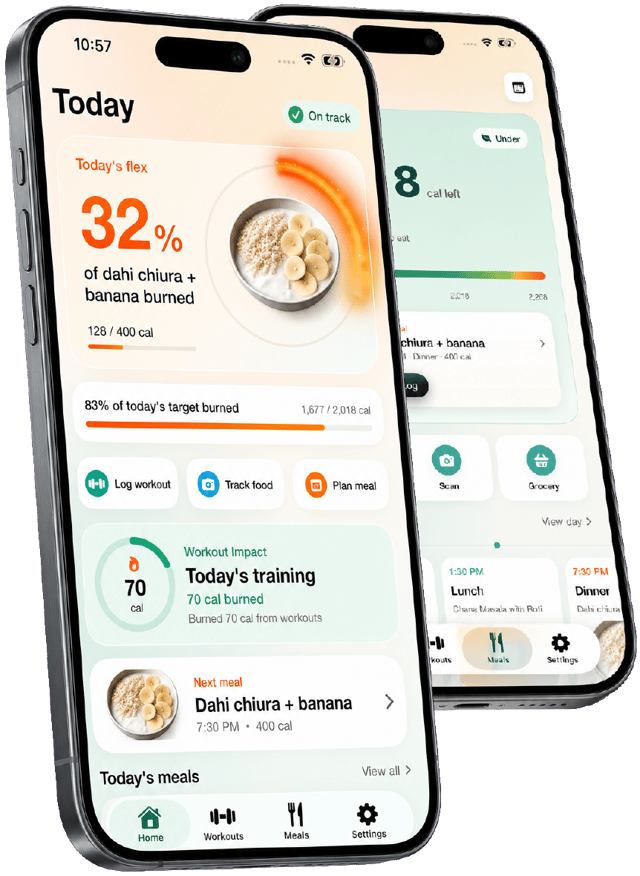
Photo or text logging shows added sugar and calories, making sweetened drinks and snacks visible instead of invisible line items.
Activity tracked alongside food
Regular activity independently reduces liver fat; Burnplate shows workouts and steps next to meals so both sides of the plan are visible together.
Practical guidance
Tips that help with fatty liver
The changes with the most direct evidence for reducing liver fat, in rough order of impact.
- 01 Cut sugary drinks first
Soda, juice and sweetened coffee are concentrated fructose sources and usually the fastest, easiest change to make.
- 02 Aim for steady, not fast, weight loss
A moderate pace of about 0.5-1 kg per week is associated with the best liver-fat outcomes; very rapid loss can stress the liver in the short term.
- 03 Lean on olive oil and fish
The Mediterranean-style fat pattern is the most specifically studied approach for reducing liver fat.
- 04 Limit or skip alcohol
Alcohol adds a separate metabolic burden on the liver on top of diet, even at moderate amounts.
- 05 Choose whole grains by default
Refined carbs produce a similar liver-fat-promoting response to added sugar, even though they don't taste sweet.
- 06 Recheck liver enzymes on your doctor's schedule
Liver fat and enzyme levels typically improve over months, not days — regular bloodwork is the real way to track progress.

Get the week planned in one tap
Build my meal plan Burnplate builds a 7-day meal plan around your calories, protein and food preferences, writes the grocery list, and lets you swap any meal you don't feel like.
Questions
Meal planner for fatty liver: FAQ
What is the best diet for fatty liver?
The Mediterranean-style pattern has the strongest evidence: olive oil, fish, vegetables, whole grains and limited red meat, refined carbs and added sugar, combined with gradual weight loss if you carry extra weight.
What foods should I avoid with fatty liver?
Sugary drinks and other high-fructose foods are the clearest target, since the liver metabolizes fructose almost by itself. Refined carbs, fried foods and excess alcohol are the next tier to limit.
What should a meal plan for fatty liver include?
Whole grains instead of refined carbs, olive oil and fish instead of fried food and fatty meat, plenty of vegetables and fiber, and minimal added sugar and alcohol.
Can fatty liver be reversed with diet?
Early-stage non-alcoholic fatty liver often improves and can reverse with sustained weight loss, around 7-10% of body weight, and the dietary changes above — it's one of the more diet-responsive liver conditions.
Does cutting sugar really help fatty liver?
Yes — because fructose is processed almost entirely by the liver, cutting added sugar and sweetened drinks specifically, not just calories in general, has a disproportionate effect on liver fat.
Can a meal planner app help with fatty liver?
It can help by keeping added sugar low and building real, whole-food meals into a repeatable week. Burnplate does both, though liver disease should be monitored and managed with your doctor.
