
Organ meats, anchovies, sardines, mussels and game meat are purine-dense and raise uric acid the most. Chicken, most fish and plant proteins like beans and lentils are far lower-purine despite also being protein sources.
Why it's different
Why a gout diet is different
Most diet plans manage calories or a single macro. Gout is managed through purines — compounds broken down into uric acid — plus a short list of specific triggers that don't show up on a typical nutrition label, which makes generic diet advice miss the point.
<6 mg/dL is the uric acid target most guidelines aim for to prevent flares, set by your doctor via bloodwork
2–4 L water a day helps the kidneys clear uric acid — dehydration is a common flare trigger
1–2 lb/wk is the safe weight-loss pace; faster loss raises uric acid and flare risk short-term
Beer raises uric acid more than an equivalent amount of spirits, partly from its own purine content on top of the alcohol effect. Wine in moderation has the smallest impact of the three.
Fructose from soda and juice raises uric acid production independent of calories or weight. It's one of the few diet-and-gout links as consistently reproduced as purine-heavy meat.
Rapid weight loss and fasting both temporarily spike uric acid as fat breaks down, which is why gout guidance favors a slow, steady deficit over aggressive short-term cuts.
What it looks like
A sample day on a gout-friendly meal plan
Around 1,900 calories, protein from lower-purine sources like eggs, dairy, chicken and legumes, water and coffee instead of soda and beer.
Example day on the plan
~1,900 calories100–120 g protein2.5 L+ waterminimal added sugar
7:00 AM Greek yogurt with oats and cherries¾ cup Greek yogurt, ⅓ cup oats, ½ cup tart cherries 360 kcal
10:00 AM Coffee and a hard-boiled eggBlack coffee, 1 egg 80 kcal
12:30 PM Chicken and vegetable rice bowl130 g chicken breast, 1 cup rice, mixed vegetables, olive oil 540 kcal
3:30 PM Low-fat cheese and crackers2 oz low-fat cheese, whole-grain crackers 220 kcal
6:30 PM Lentil and vegetable stew with bread1 cup lentils, carrots, celery, tomato, 1 slice whole-grain bread 520 kcal
8:30 PM Water and a small bowl of berriesSparkling water, ¾ cup mixed berries 80 kcal
Smart swaps
Beer Water, coffee or a single glass of wineBeer raises uric acid more than any other alcoholic drink, purines and alcohol combined.
Soda or juice Water or unsweetened teaFructose in sugary drinks raises uric acid production directly, independent of calories.
Organ meat or anchovies Chicken, eggs, low-fat dairy or lentilsCuts purine load sharply while keeping protein intake the same.
Shellfish-heavy meals Salmon or tilapia in modest portionsMost fish is moderate-purine and fine in normal portions; shellfish and sardines are the outliers.
How Burnplate handles it
How Burnplate plans a gout-friendly week
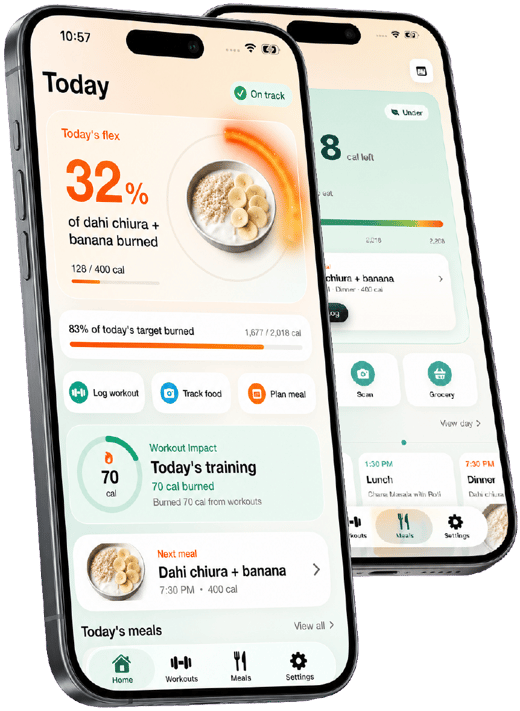
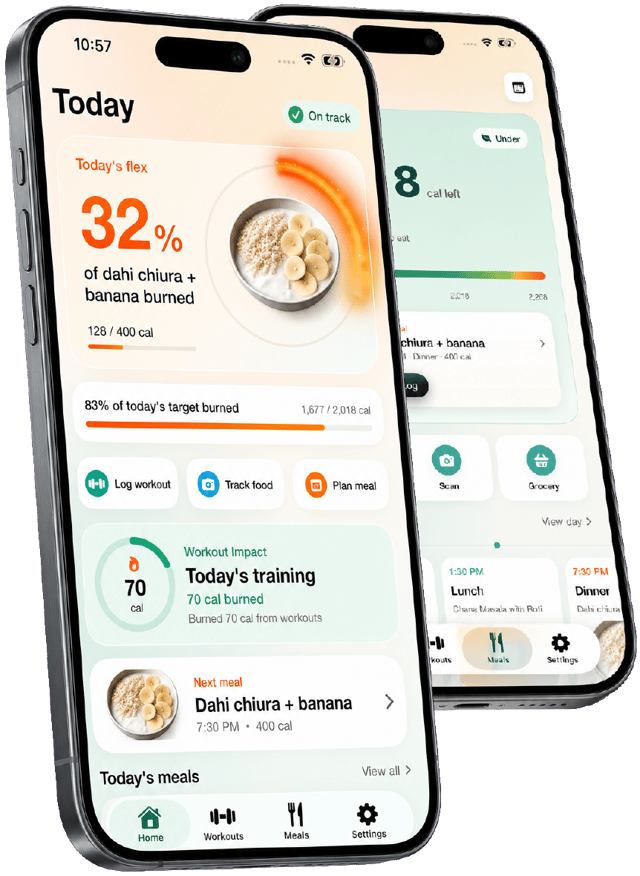
Burnplate isn't a medical device and doesn't diagnose or treat gout. What it does is turn a lower-purine, steady-weight pattern into a week of real meals so you're not relearning purine tables every time you cook.
A 7-day plan weighted toward lower-purine protein
Tell Burnplate your calorie target and it builds a week around chicken, eggs, dairy, fish in normal portions and legumes rather than organ meat or shellfish-heavy dishes.
Grocery list without the guesswork
Every plan comes with a shopping list, so choosing lower-purine cuts and skipping the trigger foods doesn't require memorizing a purine chart at the store.
A gradual deficit, not a crash
If weight loss is part of your goal, Burnplate sets a modest calorie deficit and holds it steady, avoiding the sharp swings that can provoke a flare.
Swap any meal, keep the day in range
Don't want lentil stew tonight? Swap it and Burnplate keeps calories and protein in the same range, so the week's structure holds.
Practical guidance
Practical tips for managing gout through diet
Small, consistent habits that matter more than any single meal.
- 01 Hydrate like it's part of treatment
Two to three liters of water a day helps the kidneys flush uric acid — set a standing bottle rather than relying on thirst.
- 02 Treat beer and soda as the top two cuts
If you only change two things, cutting beer and sugary drinks moves uric acid more than almost any food swap.
- 03 Keep protein steady, not high or low
Very low protein doesn't help gout and very high purine-heavy protein hurts it — moderate portions of lower-purine sources is the sweet spot.
- 04 Lose weight slowly if that's a goal
Aim for 1–2 pounds a week. Fasting or crash diets can spike uric acid and trigger the flare you're trying to avoid.
- 05 Coffee is fine, often helpful
Regular coffee drinkers tend to have lower uric acid levels — no need to cut it unless your doctor says otherwise.
- 06 Tart cherries have some evidence behind them
Tart cherry juice or fruit is one of the few specific foods with research suggesting fewer flares — reasonable to include, not a guarantee.

Get the week planned in one tap
Build my meal plan Burnplate builds a 7-day meal plan around your calories, protein and food preferences, writes the grocery list, and lets you swap any meal you don't feel like.
Questions
Meal planner for gout: FAQ
What foods should I avoid on a diet for gout?
The biggest levers are beer, sugary drinks and juice, and purine-dense foods like organ meats, anchovies, sardines and shellfish. Red meat in large portions also contributes. None need to be eliminated forever, but they're the first things to cut back during flare-prone periods.
What is a good meal plan for gout?
A gout-friendly meal plan centers on lower-purine protein — chicken, eggs, low-fat dairy, fish in normal portions and legumes — plenty of vegetables and whole grains, water as the default drink, and a gradual rather than aggressive calorie deficit if weight loss is a goal.
Can diet alone control gout?
Diet meaningfully lowers flare frequency and uric acid for many people, but genetics and kidney function also play a large role. Many people with gout still need medication alongside diet changes — talk to your doctor about whether that applies to you.
Is coffee good or bad for gout?
Coffee is generally fine and some research links regular coffee drinking to lower uric acid levels. It's one of the few gout-and-diet findings that doesn't require cutting back — unlike beer and sugary drinks, which consistently raise uric acid.
Does losing weight help gout?
Yes, but the pace matters. Losing weight gradually — around 1–2 pounds a week — tends to lower uric acid over time. Rapid weight loss or fasting can do the opposite short-term and has been known to trigger flares.
Can Burnplate build a low-purine meal plan?
Burnplate builds a 7-day plan around your calorie and protein targets and can be steered toward lower-purine sources like chicken, eggs, dairy and legumes with a consolidated grocery list. It isn't a medical device and doesn't diagnose gout or set your uric acid target.
