Exclusively breastfeeding typically burns several hundred extra calories a day making milk. Cutting back to a pre-pregnancy calorie level too early can affect both energy and supply.
Why it's different
Why a breastfeeding meal plan is different
It's easy to assume calorie needs drop the moment the baby arrives. In reality, milk production itself burns calories, and several nutrients pass into milk closely tied to what you eat — which changes what a good plan looks like.
+330 kcal typical extra daily calories while exclusively breastfeeding, on top of usual needs
71 g daily protein target during lactation, about 25 g above pre-pregnancy needs
290 mcg daily iodine target during lactation — key for milk supply and infant development
Iodine, choline, DHA and B12 levels in milk track your intake more directly than most nutrients do, so a gap shows up in what the baby gets, not just in how you feel.
Milk production increases fluid needs alongside calorie needs; under-eating or under-drinking can both affect energy and, for some, supply.
A plan has to survive being assembled one-handed at 3 AM, not require elaborate prep — which is a different design problem than most meal plans solve for.
What it looks like
A sample day while exclusively breastfeeding
Around 2,400 calories, with a protein source and an iodine-rich food — dairy, eggs or seafood — worked into most meals.
Example day on the plan
~2,400 Calories85–95 g Protein2–3×/day Iodine sourcesTo thirst, plus more Fluids
7:00 AM Eggs, toast, milk2 eggs, whole-grain toast, glass of milk 480 kcal
10:00 AM Cottage cheese and fruitCottage cheese, sliced peach 240 kcal
1:00 PM Turkey and avocado wrapTurkey, avocado, whole-grain wrap, side salad 560 kcal
3:30 PM Trail mix and string cheeseNuts, dried fruit, string cheese 300 kcal
6:30 PM Baked cod, rice, green beansCod for iodine and protein, rice, green beans 540 kcal
9:00 PM Warm milk and crackersA calcium and iodine top-up before bed 280 kcal
Smart swaps
Coffee all day 1–2 cups, the rest decafCaffeine passes into milk; guidance commonly caps it around 200–300 mg a day, similar to pregnancy
Skipping breakfast A protein-forward breakfast eaten one-handedLow morning intake compounds fast when milk production is already burning calories overnight
Water only Water plus milk or a fortified alternativeMilk and fortified plant milks add fluid alongside calcium and iodine that lactation draws down
High-mercury fish like swordfish Salmon, shrimp, cod or light tunaLower-mercury seafood is one of the best iodine and DHA sources while breastfeeding
How Burnplate handles it
How Burnplate plans a breastfeeding week
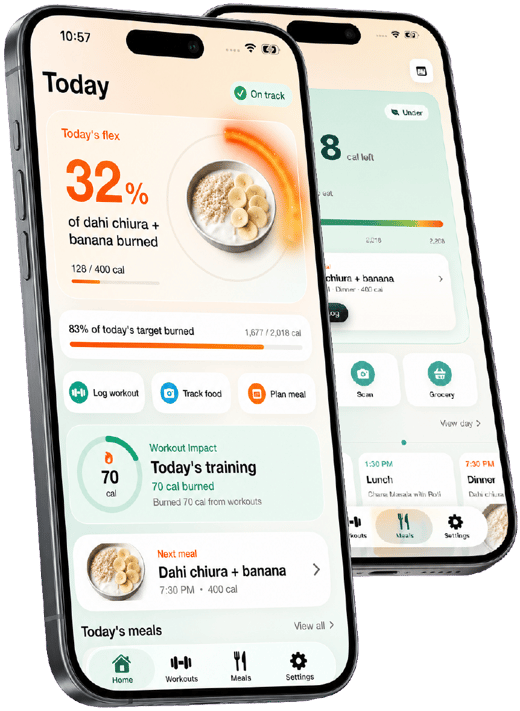
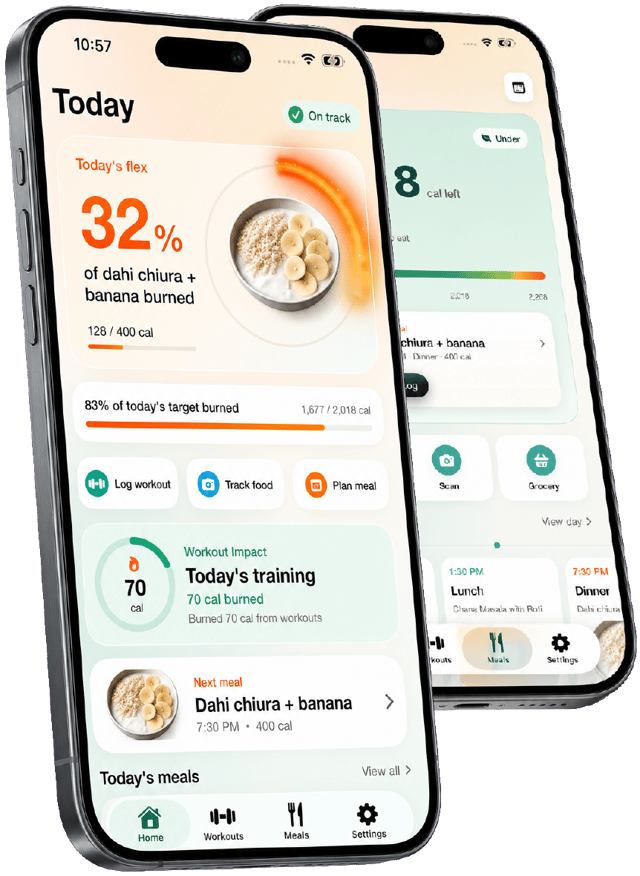
Burnplate doesn't dose supplements or replace a lactation consultant's advice. What it does is turn a realistic calorie target into a week of meals that fit an exhausted, interrupted schedule.
Targets that account for feeding
Set a postpartum or breastfeeding calorie target that doesn't push a deficit while supply is still establishing.
Fast logging for interrupted days
Photo or quick-search logging fits meals eaten in five distracted minutes between feeds.
A 7-day plan built around your numbers
The AI meal plan generates a week around your calorie and protein targets, with a grocery list to match.
See how a stroller walk adds up
Log activity and see its effect on the day without turning exercise into a reason to eat less.
Practical guidance
Meal-planning tips for breastfeeding
Habits that keep energy and supply steady on days that don't go to plan.
- 01 Don't restrict in the early weeks
Milk supply establishes over the first four to six weeks, and under-eating is one of the more common threats to it.
- 02 Keep a protein source within reach
Hard-boiled eggs, string cheese and nut butter are easy to eat one-handed between feeds.
- 03 Drink a glass of water at every feed
An easy habit that roughly matches the fluid lactation uses.
- 04 Batch-cook when hands are free
Freezer meals absorb the days when actual cooking isn't happening.
- 05 Lean on dairy and seafood for iodine
Most non-vegan diets meet iodine needs through these staples without a supplement — check specifics with your provider.
- 06 Let weight loss wait
Most guidance suggests holding off on active dieting until supply is established, then losing gradually if you choose to.

Get the week planned in one tap
Build my meal plan Burnplate builds a 7-day meal plan around your calories, protein and food preferences, writes the grocery list, and lets you swap any meal you don't feel like.
Questions
Meal planner for breastfeeding: FAQ
How many extra calories do you need while breastfeeding?
Roughly 330 extra calories a day is common guidance for the first six months of exclusive breastfeeding, sometimes closer to 400–500 for people who are very active or nursing more than one baby. It's a starting point, not a strict rule.
What foods should you avoid while breastfeeding?
High-mercury fish, excess alcohol and heavy caffeine are the main ones. Most other foods are fine, including many that used to be flagged as causing gas or fussiness — introduce new foods normally and watch your baby's reaction rather than eliminating things preemptively.
Can you diet while breastfeeding?
Gradual weight loss is generally considered safe once supply is established, usually after the first month or two. Aggressive restriction earlier can affect energy and, for some people, milk supply, so a modest approach is the common recommendation.
How much protein do you need while breastfeeding?
A common target is around 71 grams a day, roughly 25 grams above typical pre-pregnancy needs. Spreading it across meals — eggs at breakfast, meat or beans at lunch and dinner — is easier to hit than one large serving.
Does a meal planner app work for a breastfeeding schedule?
Yes, especially one built around fast logging. Burnplate's photo logging and 7-day meal plan are built for exactly this kind of interrupted, low-bandwidth schedule, with a grocery list that removes one more decision.
How much water should you drink while breastfeeding?
There's no single number — drinking to thirst, with a glass at each feeding session as a habit, covers most people. Dark urine or persistent thirst are signs to drink more; forcing large amounts beyond thirst hasn't been shown to boost supply.
