
Getting all 150g of daily protein in one dinner is far less effective for muscle repair than 30–40g spread across four meals, since the body's capacity to use protein for synthesis in one sitting is limited.
Why it's different
Why high-protein tracking flips the usual priority
Most calorie tracking treats protein as one of three macros to balance. High-protein eating treats it as the target that gets hit first, with calories and other macros filling in around it — a meaningful difference in how the day gets planned and logged.
1.6–2.2 g/kg protein per kg of body weight is the range sports nutrition guidance supports for muscle building or preservation
25–40 g protein per meal is roughly what's needed to maximize muscle protein synthesis in a single sitting
3–4 hrs is a common spacing between protein-containing meals to keep synthesis elevated through the day
Standard dietary guidance (0.8 g/kg) is a minimum to avoid deficiency, not a target for building or preserving muscle. Athletes and people in a calorie deficit typically need roughly double that, at 1.6–2.2 g/kg.
When cutting calories for fat loss, protein needs actually increase toward the higher end of the range to protect muscle mass — the opposite of what intuition suggests when 'eating less' is the goal.
Protein bars, shakes and 'high protein' labeled snacks vary widely in actual grams per calorie — tracking the real number, not the marketing claim, is what keeps the target honest.
What it looks like
A sample day hitting 160g of protein
At roughly 2,200 calories, protein is placed at every meal and snack rather than concentrated at dinner — the structure that actually supports muscle protein synthesis through the day.
Example day
Daily targets
calories ~2,200 set from your goal; protein target drives the rest of the day's structure
protein 160 g (1.8 g/kg) for a ~90kg / 198lb frame — scale to your own body weight
protein / meal 30–40 g spread across 4 meals rather than backloaded at dinner
carbs/fat fill remaining calories flexible around training and preference once protein is set
A logged day
7:00 AM 4-egg + egg white omelette with cheese460 kcal — protein-anchored from meal one 38g protein
10:30 AM Greek yogurt + protein granola340 kcal — a real meal-sized snack, not an afterthought 32g protein
1:00 PM Chicken breast, rice, vegetables620 kcal — the day's largest single protein hit 45g protein
4:00 PM Protein shake + banana280 kcal — closes an afternoon gap before training 30g protein
7:30 PM Salmon, quinoa, roasted broccoli540 kcal — protein again, not carb-only at dinner 35g protein
How Burnplate handles it
How Burnplate tracks a high-protein day
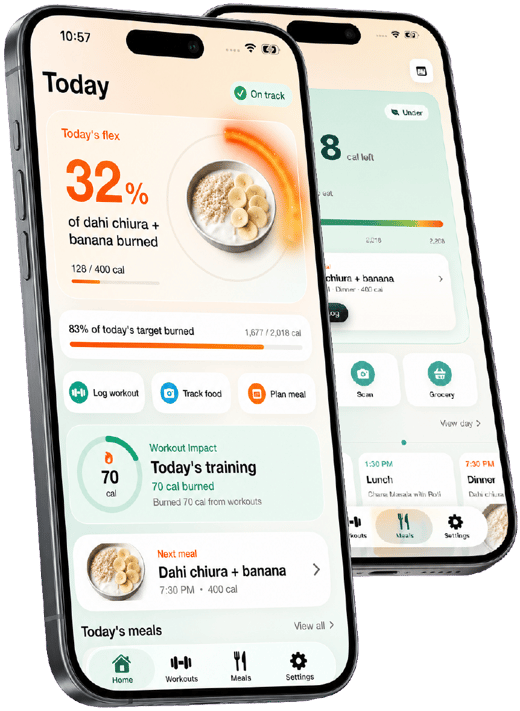
Burnplate treats protein as a first-class number, not something buried under a calorie total, so hitting a high-protein target is easy to check meal by meal.
Protein-per-meal visibility, not just a daily total
See how much protein each logged meal contributed, making it obvious in real time whether a meal needs a protein add-on before moving to the next one.
Photo logging that catches the real protein count
Snap a photo of a chicken and rice bowl or a protein bar, confirm what it found, and get an accurate gram count rather than trusting a package's marketing claim.
Targets set from your body weight and goal
Set a protein target in g/kg based on your weight and training goal, and Burnplate tracks daily and per-meal progress against that specific number rather than a generic average.
AI meal plan built to hit the protein number
Generate a 7-day plan structured around your protein target with a grocery list, so hitting 150g+ daily doesn't mean redesigning every meal from scratch.
Practical guidance
Tips for hitting a high-protein target
Practical habits for making a high daily protein number achievable without eating the same three foods on repeat.
- 01 Anchor every meal with a protein source first
Decide the protein — chicken, eggs, fish, tofu, a shake — before building the rest of the plate around it.
- 02 Spread protein across 4+ meals
Roughly 30–40g per sitting supports muscle protein synthesis better than two huge protein-heavy meals a day.
- 03 Check labels on 'high protein' products
Some protein bars and snacks carry a lot of calories for relatively little actual protein — the log will catch this faster than the label's front claim.
- 04 Use a shake to close daily gaps
A protein shake is an easy, low-effort way to add 25–30g when whole food alone isn't closing the gap by evening.
- 05 Raise protein further during a cut
If you're in a calorie deficit, lean toward the higher end of 1.6–2.2 g/kg — protein does more work protecting muscle when calories are lower.
- 06 Don't neglect carbs and fat entirely
A high-protein target still leaves room for carbs and fat to support training energy and hormone health — protein-only eating isn't the goal.

Track it with a photo, not a search bar
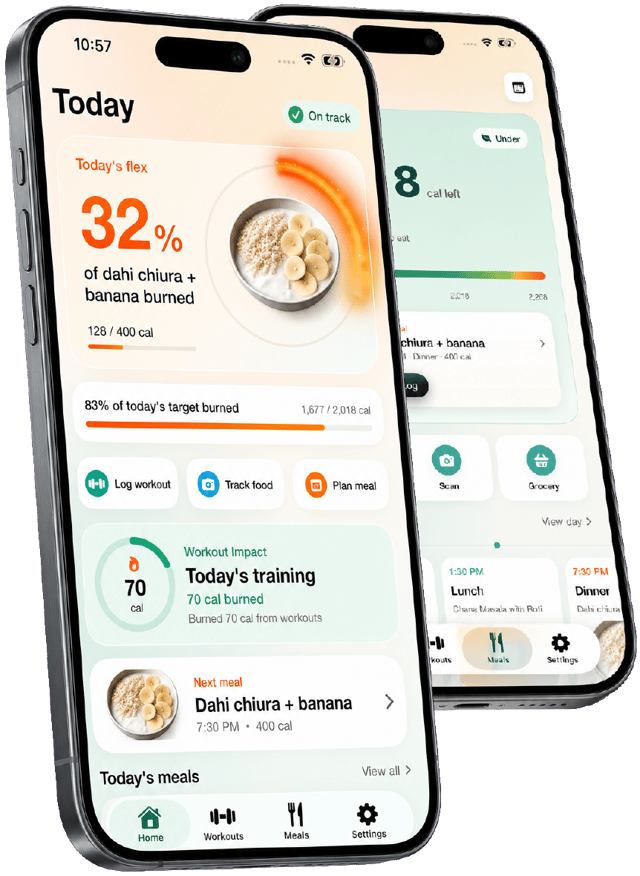
Start tracking free Burnplate sets your calorie and macro targets, logs meals from a photo, and shows how much of each meal your workouts and steps have burned off.
Questions
Calorie tracker for a high-protein diet: FAQ
How much protein should I eat per day?
Most sports nutrition guidance supports 1.6–2.2 g of protein per kg of body weight for people building or preserving muscle, well above the 0.8 g/kg minimum meant to prevent deficiency. The right number within that range depends on training volume, calorie intake and goals.
Is it better to eat protein spread out or all at once?
Spread out. The body can only use so much protein for muscle protein synthesis in a single sitting — roughly 25–40g per meal is the commonly cited effective range — so 4 meals with moderate protein each tend to outperform 1–2 huge protein meals a day.
What is a high protein calorie calculator used for?
It sets a daily protein target from your body weight and training goal — typically 1.6–2.2 g/kg — then builds the rest of your calorie target around hitting that number first, rather than treating protein as one of three roughly equal macros.
Do I need more protein if I'm trying to lose weight?
Often yes — protein needs rise toward the higher end of the 1.6–2.2 g/kg range during a calorie deficit, since adequate protein is one of the main tools for protecting muscle mass while losing fat.
Can I get enough protein without shakes or supplements?
Yes, through whole foods like chicken, fish, eggs, dairy and legumes, though shakes are a convenient way to close gaps on busy days or hit a higher total without eating unusually large meals. Neither approach is required — what matters is the total and its distribution across the day.
How does Burnplate track protein per meal, not just per day?
Every logged meal shows its protein contribution, and the daily total updates as you go, so it's easy to see mid-day whether the next meal needs to carry more protein to stay on pace for the target.
