Calcium, iron, fiber and soy can all interfere with levothyroxine absorption if eaten too close to your dose. Taking the medication on an empty stomach and waiting before breakfast or supplements is often more impactful than any food choice.
Why it's different
Why a hypothyroidism diet is different
Hypothyroidism isn't managed primarily through food — medication is the core treatment. But diet affects two things food alone can't fix: whether your medication absorbs properly, and whether you're getting the specific nutrients your thyroid needs to function.
30–60 min is the gap most guidelines recommend between taking levothyroxine and eating
55 mcg is the daily selenium target for most adults — Brazil nuts, fish and eggs cover it easily
~150 mcg is the daily iodine target for most adults, mainly from iodized salt, dairy and seafood
The thyroid needs iodine to make hormone and selenium to convert it to its active form. Deficiency in either can worsen hypothyroidism, though in iodine-fortified countries deficiency is less common than people assume — more isn't automatically better.
Untreated or under-treated hypothyroidism can lower resting metabolic rate modestly, which is often why weight feels harder to manage. Once medication is at the right dose, calorie needs usually normalize close to what they'd otherwise be.
Goitrogens in raw broccoli, cabbage and kale can interfere with iodine uptake in large, frequent raw quantities. Normal cooked portions are not a meaningful concern for most people with treated hypothyroidism.
What it looks like
A sample day on a hypothyroidism-friendly meal plan
Around 1,800 calories, adequate iodine and selenium, with breakfast timed after the medication window rather than around it.
Example day on the plan
~1,800 calories100 g+ protein55 mcg+ selenium30–60 min before eating medication gap
6:30 AM Levothyroxine with waterMedication only, empty stomach 0 kcal
7:30 AM Eggs and whole-grain toast2 eggs, 1 slice whole-grain toast, ½ avocado 420 kcal
10:30 AM Greek yogurt with a Brazil nut or two¾ cup Greek yogurt, 2 Brazil nuts 220 kcal
1:00 PM Tuna and quinoa salad120 g tuna, ½ cup quinoa, mixed greens, olive oil 460 kcal
4:00 PM Cottage cheese and pineapple½ cup cottage cheese, ½ cup pineapple 160 kcal
7:00 PM Baked cod, rice and cooked broccoli140 g cod, ½ cup rice, cooked broccoli 500 kcal
Smart swaps
Coffee right after your thyroid pill Water, then coffee 30–60 minutes laterCoffee can reduce levothyroxine absorption if taken too close to the dose.
Calcium or iron supplement at breakfast Same supplement at lunch or dinner insteadBoth minerals compete with levothyroxine for absorption when taken together.
Large raw kale smoothies daily Cooked greens most days, raw occasionallyCooking reduces goitrogen activity; occasional raw servings are not a concern for most people.
Skipping seafood entirely Fish or shellfish twice a weekAn easy, reliable way to cover both iodine and selenium without supplements.
How Burnplate handles it
How Burnplate plans a hypothyroidism-friendly week
Burnplate isn't a medical device and doesn't manage thyroid medication or dosing. What it does is turn adequate, well-timed nutrition into a week of real meals around the treatment your doctor has already set.
A 7-day plan built to your calorie and protein targets
Tell Burnplate your goals and it builds a week of meals — steer it toward fish, eggs, dairy and lean protein to cover iodine and selenium without extra supplements.
Grocery list that keeps the staples on hand
Every plan comes with a shopping list, so seafood, eggs and dairy are already stocked instead of defaulting to whatever's fastest on a low-energy day.
Realistic calorie targets as treatment stabilizes
Burnplate sets targets from your body, goal and activity rather than a generic number, which matters more once your levels are treated and metabolism has largely normalized.
See how activity connects to the day
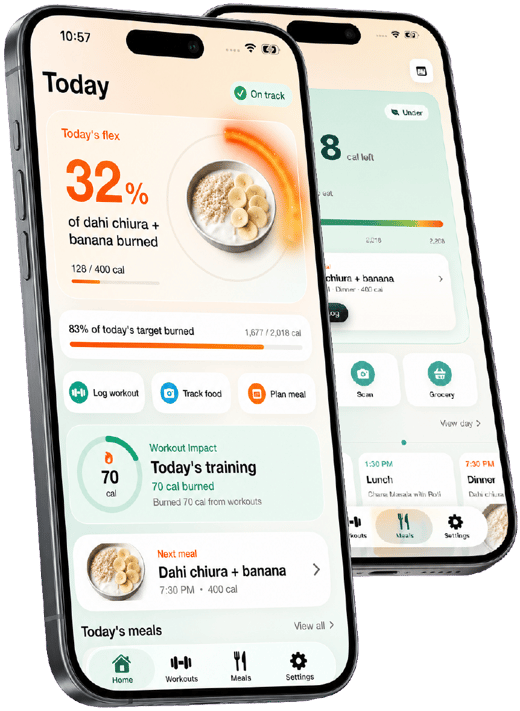
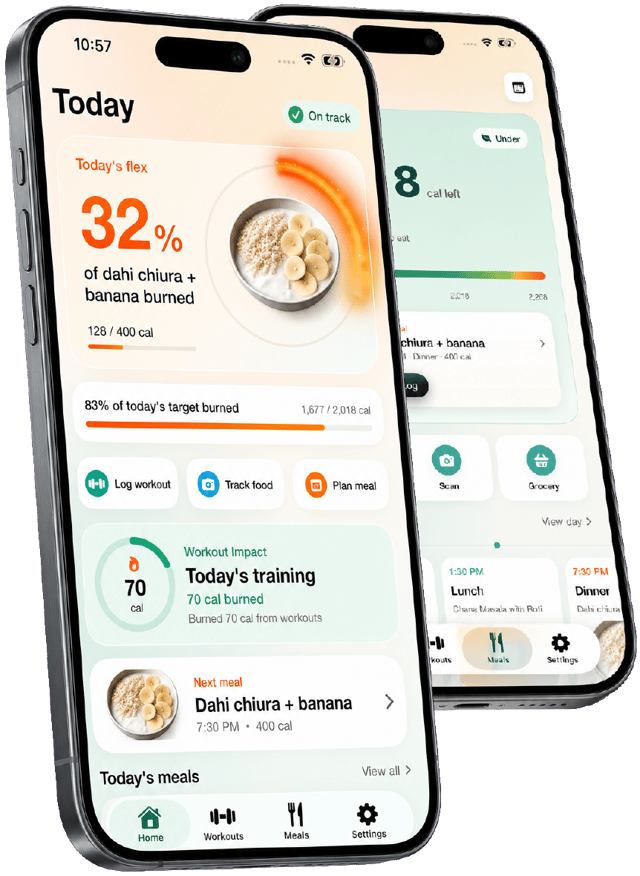
Fatigue is common with hypothyroidism, treated or not. Burnplate's burn bar shows how even a short walk offsets part of a meal — a visible reason to move on lower-energy days.
Practical guidance
Practical tips for eating well with hypothyroidism
Habits that support both medication effectiveness and everyday energy.
- 01 Take your medication the same way every day
Same time, empty stomach, then wait 30–60 minutes before eating or taking other supplements — consistency matters more than the exact minute.
- 02 Separate calcium and iron from your dose
Move calcium supplements, iron and antacids to a different time of day, away from levothyroxine, to avoid blunting absorption.
- 03 Cover iodine and selenium through food, not megadosing
Iodized salt, dairy, seafood and a couple of Brazil nuts a week easily cover both — more is not better and excess iodine can worsen some thyroid conditions.
- 04 Don't fear cooked cruciferous vegetables
Broccoli, cabbage and cauliflower in normal cooked portions are healthy and not a meaningful concern for treated hypothyroidism.
- 05 Prioritize protein if fatigue affects your activity
Adequate protein supports muscle mass on lower-activity days, which matters more when energy is inconsistent.
- 06 Get levels rechecked before changing your diet plan drastically
If weight or energy isn't improving, it's often a dosing issue to discuss with your doctor before overhauling food.

Get the week planned in one tap
Build my meal plan Burnplate builds a 7-day meal plan around your calories, protein and food preferences, writes the grocery list, and lets you swap any meal you don't feel like.
Questions
Meal planner for hypothyroidism: FAQ
What foods should I eat for an underactive thyroid?
Focus on adequate iodine (iodized salt, dairy, seafood), selenium (Brazil nuts, fish, eggs) and enough protein and calories to support your metabolism. There's no special elimination diet required for most people — the biggest lever is usually medication timing relative to food.
What foods should I avoid with hypothyroidism?
There's no strict avoid list for most people. Large amounts of raw cruciferous vegetables and unprocessed soy in very high quantities can modestly interfere with iodine uptake, but normal cooked portions aren't a concern. The bigger issue is timing calcium, iron and coffee away from your medication.
Why does hypothyroidism make weight loss harder?
An under-treated thyroid modestly lowers resting metabolic rate, which can make weight feel stickier. Once medication brings your levels into range, calorie needs typically move close to what they'd be otherwise — diet and activity still work the same way from there.
Can I take my thyroid medication with breakfast?
It's generally not recommended. Food, coffee, calcium and iron can all reduce levothyroxine absorption if taken too close together. Most guidance is to take it on an empty stomach and wait 30–60 minutes before eating.
Do I need an iodine supplement for hypothyroidism?
Usually not, especially in countries with iodized salt. Most people get enough iodine through diet, and excess iodine can actually worsen some thyroid conditions. Talk to your doctor before adding an iodine supplement rather than assuming more is better.
Can Burnplate help me eat well with hypothyroidism?
Burnplate sets calorie and protein targets from your body and goals and builds a 7-day meal plan you can steer toward iodine and selenium-rich foods. It isn't a medical device and doesn't manage thyroid medication or dosing — that stays with your doctor.
