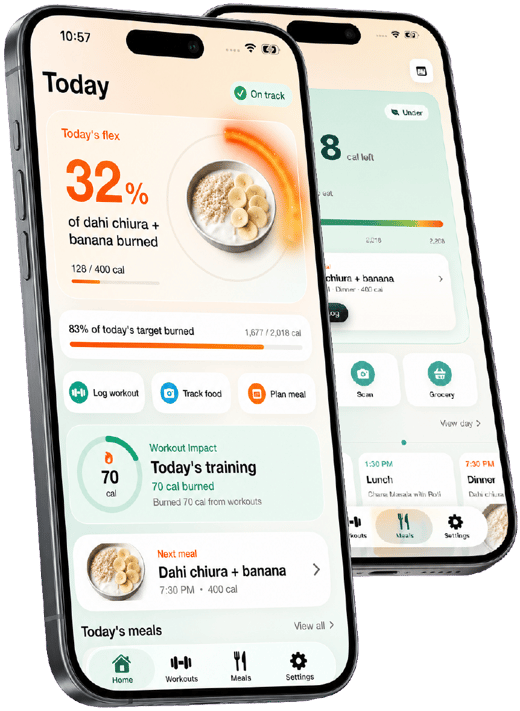

Pregnancy hormones blunt insulin's effect most in the morning, so even a normal breakfast can spike glucose more than the same meal eaten later — smaller, protein-forward breakfasts usually work better.
Why it's different
Why gestational diabetes needs its own plan
Gestational diabetes develops because placental hormones reduce insulin's effectiveness as pregnancy progresses. It behaves differently from type 2 diabetes in ways that change how the meal plan is built.
15-30 g carbs at breakfast is a common starting point since insulin resistance peaks first thing in the morning
5-6 smaller meals and snacks spread through the day is the usual pattern instead of 3 large meals
<10 hrs between a bedtime snack and breakfast is a common target to help avoid overnight ketone production
The goal is steady glucose while providing enough calories and nutrients for the pregnancy. Restricting calories too far can produce ketones, which is why plans emphasize consistent, adequate intake rather than a deficit.
Going too long without eating during pregnancy can also raise ketones. Five to six smaller meals and snacks spread the carb load and keep glucose steadier than three large ones.
Gestational diabetes typically clears after birth, but managing it well lowers risks for both you and the baby during pregnancy, and is linked to lower future type 2 diabetes risk.
What it looks like
A sample day for gestational diabetes
A smaller, protein-forward breakfast, five more meals and snacks spread through the day, and a bedtime snack. Exact calories should come from your OB or dietitian.
Example day on the plan
set by your OB / RD calories15-30 g carbs / breakfast30-45 g carbs / lunch & dinner15-20 g + protein bedtime snack
7:00 AM Small breakfast: eggs and toast2 eggs, ½ slice whole-grain toast 280 kcal
10:00 AM String cheese and crackers1 string cheese, a few whole-grain crackers 180 kcal
12:30 PM Chicken and vegetable soup with a rollchicken, mixed vegetables, whole-grain roll 420 kcal
3:30 PM Apple and peanut butter1 small apple, 1 tbsp peanut butter 200 kcal
6:30 PM Baked fish, quinoa and vegetables5 oz fish, ½ cup quinoa, roasted vegetables 480 kcal
9:00 PM Greek yogurt and walnuts¾ cup Greek yogurt, small handful walnuts 220 kcal
Smart swaps
Cereal or oatmeal at breakfast Eggs, cheese or Greek yogurtTrades morning carbs, the hardest to tolerate, for protein that's gentler on fasting-window glucose
Juice or fruit at breakfast Saved for a later meal or snackConcentrated morning carbs are the most likely of the day to spike glucose during pregnancy
Skipping the bedtime snack A small protein-and-carb snack before bedHelps prevent the overnight ketone production that can come from too long a fast
One large lunch Splitting into lunch plus an afternoon snackSmaller, more frequent loads are usually easier on post-meal glucose than one big plate
How Burnplate handles it
How Burnplate supports a gestational diabetes routine
Burnplate organizes the food around the frequent-meal, smaller-breakfast pattern your care team sets — it doesn't set the targets itself.
Logging shows carbs per meal, not just calories
Photo or text logging breaks a meal into carbs, protein and fat, useful for matching the smaller-breakfast, frequent-meal pattern your care team recommends.
A plan that spreads meals across the day
The AI meal plan can build around more frequent, smaller meals and your food preferences, with a grocery list attached.
Swap a meal without losing the structure
One-tap swaps keep a meal's carbs in a similar range, useful when a craving or aversion changes what sounds good that day.
Steps and light activity tracked alongside food
Short walks after meals are a common, doctor-approved way to help post-meal glucose, and Burnplate shows that activity next to what you ate.
Practical guidance
Tips that help with gestational diabetes
Structural habits that make the frequent-meal, smaller-breakfast pattern easier to follow day to day.
- 01 Keep breakfast small and protein-forward
This is the single highest-leverage meal of the day for gestational diabetes glucose control.
- 02 Don't skip meals to save carbs
Long gaps can raise ketones during pregnancy; frequent smaller meals work better than fewer large ones.
- 03 Pair every carb with protein or fat
Toast alone behaves very differently on a glucose reading than toast with eggs or nut butter.
- 04 Walk for 10-15 minutes after meals
A short walk after eating is a simple, low-risk way many find helps post-meal readings.
- 05 Keep a bedtime snack in the routine
A small protein-containing snack before bed helps prevent an overnight ketone rise from a long fast.
- 06 Bring your logged meals to appointments
A few days of real logged data helps your OB or dietitian fine-tune your targets faster than guessing.

Get the week planned in one tap
Build my meal plan Burnplate builds a 7-day meal plan around your calories, protein and food preferences, writes the grocery list, and lets you swap any meal you don't feel like.
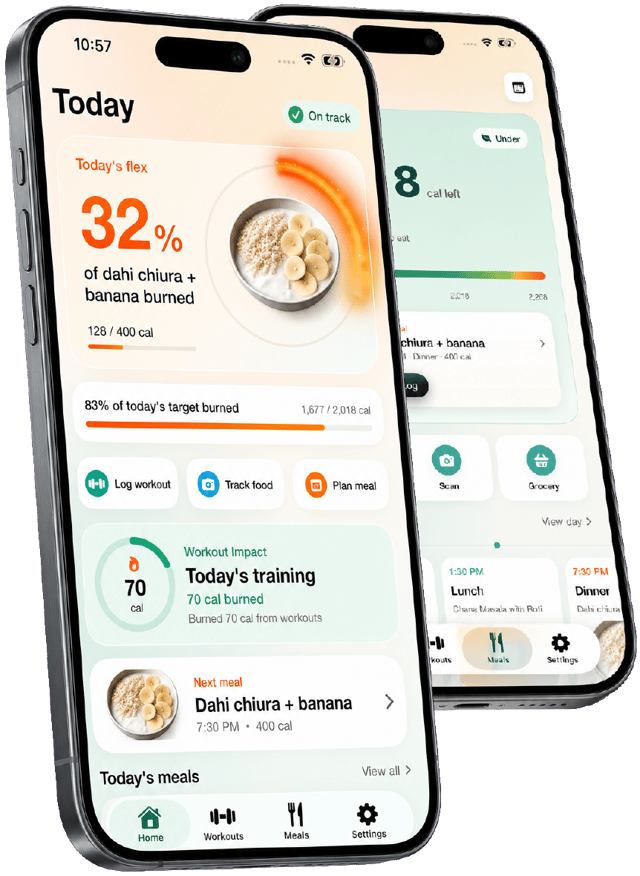
Questions
Meal planner for gestational diabetes: FAQ
What should a gestational diabetes meal plan include?
Smaller, protein-forward breakfasts, 5-6 total meals and snacks spread through the day, consistent carb portions at each, and a bedtime snack — with exact calorie and carb targets set by your OB or dietitian based on your labs.
Why is breakfast harder to manage with gestational diabetes?
Pregnancy hormones peak insulin resistance in the morning, so the same carb portion that's fine at dinner can spike glucose more at breakfast — most plans keep morning carbs lower as a result.
Will gestational diabetes go away after birth?
For most people, yes — blood sugar usually returns to normal shortly after delivery, though it does raise the likelihood of developing type 2 diabetes later in life, so follow-up testing postpartum matters.
Can I eat carbs with gestational diabetes?
Yes — this isn't a low-carb diet. Carbs are distributed differently across the day, in smaller portions at breakfast and paired with protein, rather than eliminated.
Is it safe to restrict calories with gestational diabetes?
Significant calorie restriction isn't recommended during pregnancy because it can produce ketones. The goal is steady, adequate intake with a consistent carb pattern, not a deficit.
Can a meal planner app help with gestational diabetes?
It can help you see the carbs and protein in a meal and keep the frequent-meal pattern organized day to day, but your carb and calorie targets should always come from your OB or a registered dietitian familiar with your labs.
