
It's rarely the price per item that blows a grocery budget — it's the spinach that rots and the extra protein that never gets cooked. A plan that reuses the same core ingredients across several meals leaves almost nothing unused.
Why it's different
Why a budget meal plan needs its own approach
A generic meal plan optimizes for calories or macros and treats any ingredient as fair game. A budget plan has a second constraint running underneath the first: cost per gram of protein, cost per meal, and zero waste. Ignore that constraint and the plan falls apart by Thursday.
$2.50–4 a realistic cost per meal on a plan built around beans, eggs and frozen vegetables
~$60/wk a weekly grocery budget that feeds one adult three meals a day on a repeatable plan
30%+ typical grocery spend cut just by shopping from a list instead of buying without a menu
Vegetables and grains are cheap; protein is where most grocery bills go. A budget plan leans on eggs, canned tuna, chicken thighs, lentils and tofu — foods that deliver 20g-plus of protein for a fraction of the cost of steak or salmon.
Cooking a big batch of rice, a protein and a vegetable once or twice a week is cheaper per serving than cooking small amounts daily, and it removes the decision moment that usually ends in a takeout order.
Walking into a store without a list is how a $60 budget becomes $95. A plan that generates the exact list for the week, and nothing else, keeps the cart matching the budget.
What it looks like
A sample day on a budget meal plan
Around 2,000 calories for about $8 in ingredients, built from a short list of staples that repeat across the week so nothing gets wasted.
Example day on the plan
~2,000 calories~$7–9/day cost110–130 g protein6–8 items core staples
7:30 AM Egg & oat breakfast3 eggs scrambled, ½ cup oats with banana and peanut butter 520 kcal
12:30 PM Chicken thigh rice bowl150 g chicken thigh, 1 cup rice, frozen mixed veg, soy sauce 620 kcal
3:30 PM Cottage cheese & fruit1 cup cottage cheese, 1 apple 220 kcal
7:00 PM Lentil & tuna pasta1 can tuna, ½ cup lentils, whole-wheat pasta, canned tomato 560 kcal
9:00 PM Peanut butter toast1 slice bread, 1 tbsp peanut butter 180 kcal
Smart swaps
Fresh berries Frozen berriesSame nutrition at roughly a third of the price, with nothing to rush before it spoils.
Chicken breast Chicken thighsMore flavor and calories per dollar, which helps when you're also trying to hit a calorie target.
Pre-cut veg trays Whole vegetables you cut yourselfThe convenience markup on pre-cut produce often runs 50–100%.
Single-serve snack packs Oats, rice or beans portioned at homeBulk staples cost a fraction of single-serve packaging for the same food.
How Burnplate handles it
How Burnplate builds a budget-friendly week
Burnplate plans meals around your calorie and protein targets first — a budget-conscious plan just leans the ingredient choices toward foods that deliver the most nutrition per dollar.
A 7-day plan with one grocery list
Tell Burnplate your calorie goal and it builds a week of meals around a compact set of ingredients, then writes a single consolidated shopping list so nothing gets bought and wasted.
One-tap swaps that keep the day on budget
Not feeling the lentil pasta tonight? Swap it and Burnplate keeps the day's calories and protein in range without you recalculating anything.
Photo logging for what you actually cooked
When a home-cooked batch doesn't match the plan exactly, snap a photo and Burnplate logs the real meal so your numbers stay accurate even on improvised nights.
See the burn, not just the spend
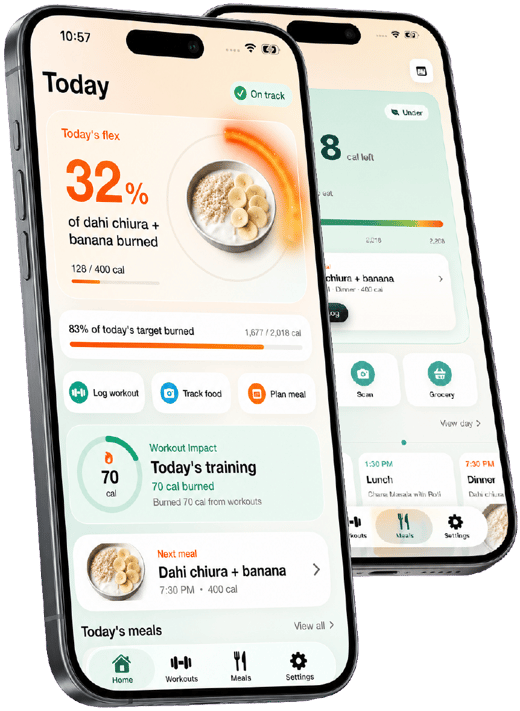
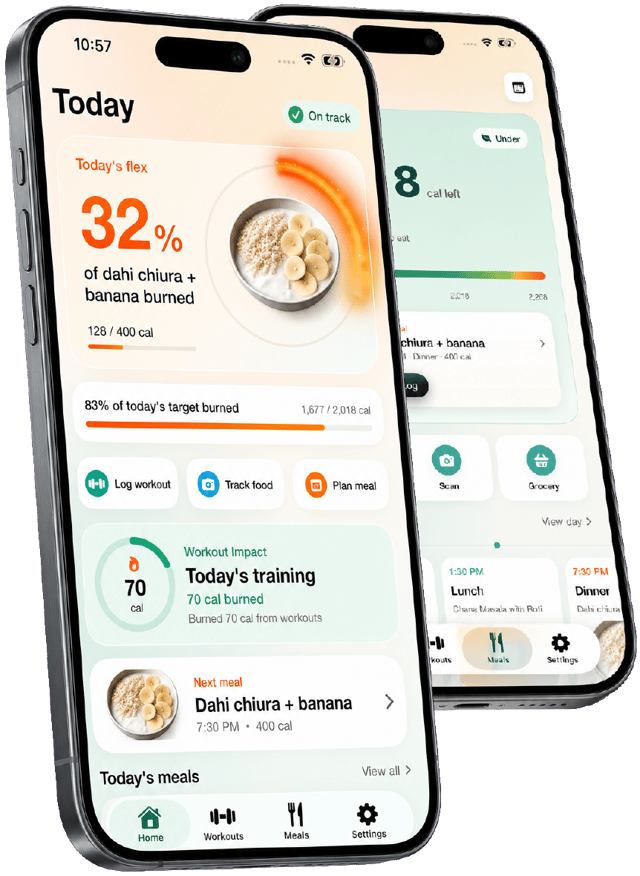
The burn bar shows how much of tonight's cheap, high-calorie dinner your day's activity has already covered — a useful check before a second helping.
Practical guidance
Tips for meal prepping on a budget
Small shopping and cooking habits that make the biggest difference to a weekly grocery bill.
- 01 Shop with a list, not a mood
Decide the week's meals before you shop. Almost all grocery overspend happens in the aisle, not in the plan.
- 02 Buy protein in bulk, freeze it
A family pack of chicken thighs split into meal-sized bags costs far less per pound than buying small amounts repeatedly.
- 03 Keep 3 cheap proteins on rotation
Eggs, canned tuna and legumes are the cheapest protein sources around — build meals on them and fill in with whatever produce is on sale.
- 04 Cook once, eat three times
A big pot of rice, beans or a protein on Sunday turns into three or four different meals through the week with little extra cooking.
- 05 Use frozen vegetables freely
Frozen produce is nutritionally comparable to fresh, costs less, and never goes bad before you get to it.
- 06 Plan around what's on sale
Build the week's protein and produce choices around the store's current discounts rather than a fixed recipe list.

Get the week planned in one tap
Build my meal plan Burnplate builds a 7-day meal plan around your calories, protein and food preferences, writes the grocery list, and lets you swap any meal you don't feel like.
Questions
Meal planner for a tight budget: FAQ
How much does a cheap meal plan cost per week?
A well-planned budget meal plan typically runs $55–70 a week for one adult eating three meals a day, or about $2.50–4 per meal. The exact number depends on local prices, but leaning on eggs, legumes, frozen vegetables and chicken thighs keeps it consistently low.
What is the cheapest way to meal prep?
Batch-cook a starch, a protein and a vegetable once or twice a week, then recombine them into different meals with different sauces or seasonings. Buying staples in bulk and freezing portions costs less than buying small amounts repeatedly, and it minimizes food waste.
Can I eat healthy on a tight budget?
Yes. Beans, lentils, eggs, canned fish, frozen vegetables and oats are inexpensive and nutrient-dense. The limiting factor usually isn't the food itself but planning — a repeatable weekly menu keeps both nutrition and cost in check.
What are the cheapest high-protein foods?
Eggs, canned tuna, chicken thighs, lentils, dried beans and cottage cheese are among the cheapest sources of protein per gram. Building most meals around one of these keeps a plan's protein target achievable without inflating the grocery bill.
Does Burnplate help with budget meal planning?
Burnplate builds a 7-day plan around your calorie and protein targets and writes a single grocery list for the week, which naturally cuts waste and impulse spending. It doesn't set a dollar budget directly, but favoring lower-cost ingredients in your preferences keeps the plan affordable.
How do I stop wasting food on a meal plan?
Repeat core ingredients across several meals instead of buying something new for every recipe, buy only what's on the week's list, and freeze anything you won't use in the next few days. A plan built around six or seven staples wastes almost nothing.
