
Nausea, early fullness and reduced appetite can push daily intake well below 1,000 calories without anyone intending it. Tracking here is about making sure enough gets in, not just watching a ceiling.
Why it's different
Why GLP-1 tracking flips the usual problem
Most calorie tracking exists to catch overeating. On a GLP-1 medication, the more common failure mode is the opposite: appetite drops so much that total intake, and especially protein, falls below what the body needs while losing weight quickly.
1.2–1.6 g/kg protein per kg of body weight is a common target to protect muscle during GLP-1-driven weight loss
1,200–1,500 calories a day is a common intake range once appetite suppression is established — track, don't guess
25–30% of weight lost on GLP-1 medications can be lean mass if protein and activity aren't prioritized
With appetite this suppressed, protein is often the first thing crowded out because a few bites of anything now feels like a full meal. Hitting a protein target usually means prioritizing it first, before volume runs out.
GLP-1s can produce fast, large weight loss, and a meaningful share of that can be lean mass without enough protein and resistance activity. Tracking protein and pairing it with strength work protects the loss that actually matters.
Nausea, texture aversions and what sits well can shift as a dose increases. A flexible log that adapts to whatever's tolerable that day works better than a fixed meal plan.
What it looks like
A sample day on a GLP-1 medication
Around 1,300 calories with protein front-loaded at each small meal — a realistic pattern once appetite suppression is established. Portions are small on purpose; the structure protects protein even when volume is limited.
Example day
Daily targets
calories 1,200–1,500 often lower than pre-medication intake without trying
protein 80–100 g prioritized first at every meal to protect muscle
fiber 20–25 g helps offset common GI side effects
fluids 64 oz+ easy to under-drink when appetite and thirst both drop
A logged day
8:00 AM Greek yogurt + berriesprotein-first while appetite is highest 220 kcal
11:00 AM Scrambled eggs, 2small, easy to tolerate 160 kcal
1:30 PM Grilled chicken + rice, small portionstops at first fullness cue, doesn't push past it 380 kcal
4:00 PM Protein shake, half servingfills a protein gap without much volume 90 kcal
7:00 PM Salmon + steamed vegetables, small plateprotein again, fat kept moderate to ease digestion 350 kcal
8:30 PM Cottage cheese, small bowlcloses the day near the protein target 90 kcal
How Burnplate handles it
How Burnplate handles GLP-1 tracking
Burnplate isn't a substitute for your prescriber's guidance and doesn't adjust medication or dosing. What it does is make it easy to see when protein or total intake is falling short, not just when it's too high.
Photo logging for small, simple plates
Snap a photo of a few bites of chicken or a half-eaten meal, confirm what it found, and adjust the portion down to match what was actually finished — appetite suppression makes finishing a full plate the exception, not the rule.
Protein tracked as its own visible number
Set a protein target and Burnplate shows daily progress toward it alongside calories, so a day that's technically 'in range' on calories but low on protein doesn't go unnoticed.
Under-target alerts, not just over-target ones
Because the common failure on a GLP-1 is eating too little, Burnplate's daily balance makes a shortfall as visible as a surplus would be on a normal calorie tracker.
Fast re-logging for the same few tolerated foods
Many people on GLP-1s settle into a short rotation of foods that sit well. Log one once and reuse it in seconds on days when appetite and tolerance are limited.
Practical guidance
Tracking tips for GLP-1 medication users
Small habits that protect protein and total intake when appetite genuinely doesn't ask for much.
- 01 Eat protein before anything else on the plate
With limited capacity, whatever goes in first is what actually gets eaten — put protein there.
- 02 Log even the smallest meals
A few bites still count. Skipping tiny entries in the log makes real shortfalls harder to see.
- 03 Keep a protein shake as backup
On low-appetite days, a shake can close a protein gap in a few ounces of volume when food can't.
- 04 Sip fluids through the day
Thirst cues often drop along with appetite — set reminders rather than waiting to feel thirsty.
- 05 Watch for a widening calorie shortfall
If several days land well under 1,000 calories, that's worth flagging to your prescriber, not just tracking through.
- 06 Pair with resistance activity
Even light strength work 2–3 times a week helps protect the muscle that's most at risk during rapid GLP-1 weight loss.

Track it with a photo, not a search bar
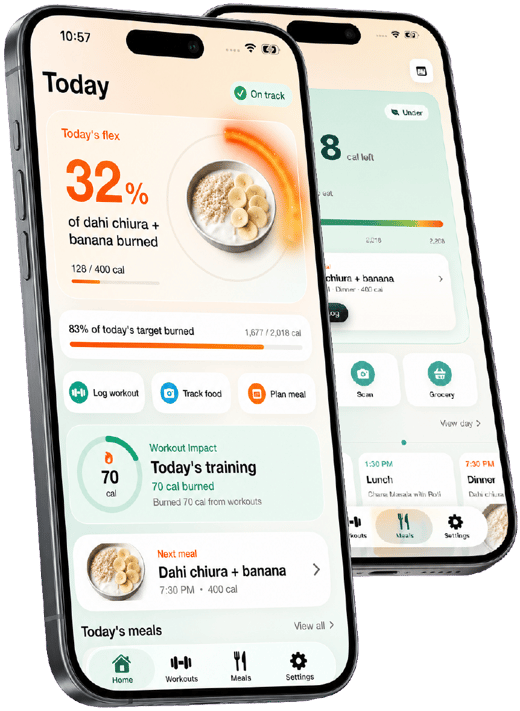
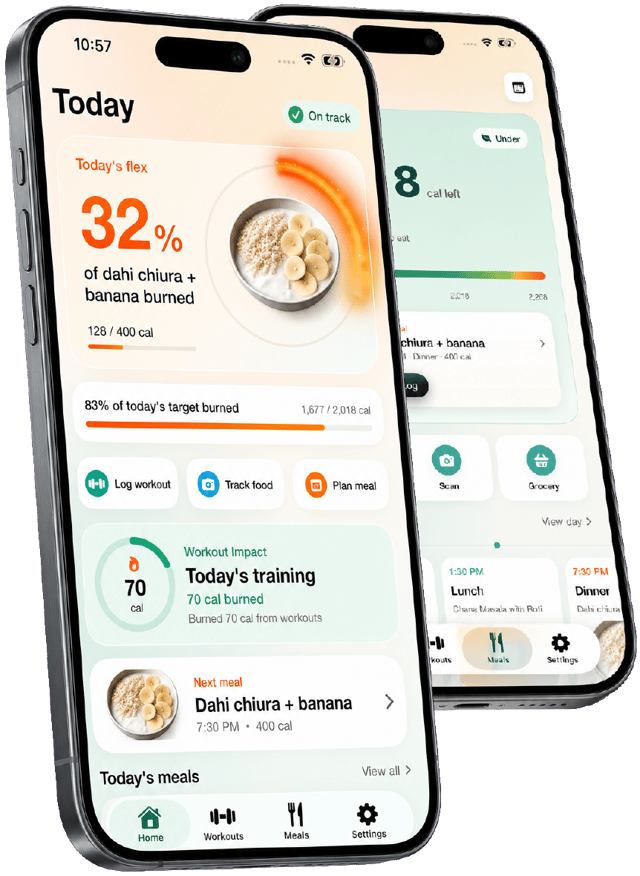
Start tracking free Burnplate sets your calorie and macro targets, logs meals from a photo, and shows how much of each meal your workouts and steps have burned off.
Questions
Calorie tracker for GLP-1 users: FAQ
How many calories should I eat on Ozempic or Wegovy?
There's no universal number — it depends on your starting weight, dose and how suppressed your appetite is, and it should be set with your prescriber. Many people naturally land around 1,200–1,500 calories once the medication is established; tracking helps confirm you're not drifting well below what's sustainable.
Why is protein so important on a GLP-1 medication?
Rapid weight loss from appetite suppression can include a meaningful amount of lean muscle if protein intake and resistance activity aren't prioritized. Most guidance suggests roughly 1.2–1.6 g of protein per kg of body weight to protect muscle while the medication drives fat loss.
Is it normal to not feel hungry on Ozempic or Mounjaro?
Yes — reduced appetite is the intended effect of GLP-1 medications, and many people eat far less without consciously trying to. The tracking concern shifts from overeating to making sure enough total calories and protein still get in each day.
Can a calorie tracker help with nausea or food aversions on GLP-1s?
A tracker won't manage side effects directly, but logging what you actually tolerate makes patterns easier to spot — for example, noticing that fattier meals trigger more nausea. That pattern is worth raising with your prescriber, who manages dose and timing.
Does Burnplate adjust for GLP-1 medications automatically?
No. Burnplate doesn't know your medication, dose or prescriber's targets — it tracks whatever calorie and protein goals you set. Many GLP-1 users set a moderate deficit with a higher protein target to reflect their prescriber's guidance, then let Burnplate track against it.
What's a calorie calculator for Ozempic used for?
It's used to translate a weight-loss goal and reduced appetite into a daily calorie and protein target that avoids under-eating. On a GLP-1, the calculator matters less for restricting food and more for making sure appetite suppression doesn't push intake too low.
