
Gram for gram, protein is the most filling macronutrient — it blunts hunger hormones more than carbs or fat. A plan that front-loads protein at breakfast and lunch means less bargaining with yourself by evening.
Why it's different
Why "just eat more protein" isn't a plan
A daily protein number is easy to set and hard to hit consistently. A high protein meal plan works because it distributes that number across the day instead of leaving it to willpower at 8 PM.
1.6 g/kg protein per kg body weight — the low end of ranges shown to preserve muscle in a calorie deficit
25–40 g protein per meal is roughly what most research ties to a strong muscle-building signal
20–30% of protein's own calories are burned just digesting it — more than carbs or fat
Muscle-building response to a meal plateaus above roughly 25–40 g of protein. One 80 g dinner wastes potential; three or four meals in that range use every gram more effectively across the day.
Whether the goal is fat loss or just staying lean, adequate protein is what tells your body to hold onto muscle while calories drop. Under-eat protein in a deficit and more of the loss comes from muscle, not fat.
A shake can close a gap, but chicken, eggs, fish, dairy and legumes bring fiber, micronutrients and volume that a scoop of powder doesn't. A high protein meal prep plan uses shakes as backup, not the base.
What it looks like
A sample high protein day
Around 2,000 calories with protein held near 150 g, spread across five meals so no single sitting has to carry the whole target.
Example day on the plan
~2,000 calories150 g protein180–200 g carbs60–70 g fat
7:00 AM Egg & cottage cheese scramble3 eggs, ½ cup cottage cheese, spinach, 1 slice toast 420 kcal
10:30 AM Greek yogurt + protein granola1 cup Greek yogurt, ¼ cup high-protein granola, berries 300 kcal
1:00 PM Chicken & rice power bowl180 g chicken breast, 1 cup rice, roasted veg, tahini 560 kcal
4:00 PM Protein shake + almonds1 scoop whey, water or milk, 15 almonds 270 kcal
7:00 PM Salmon, potatoes & greens150 g salmon, medium potato, large salad, olive oil 450 kcal
Smart swaps
Regular yogurt Greek or skyr yogurtRoughly double the protein for the same volume and calories.
A sandwich with 2 slices deli meat A wrap with a full chicken breastTurns a snack-sized protein hit into a real meal contribution.
Pasta as the base Pasta plus a protein you'd otherwise skipCarbs alone leave a meal's protein total low no matter the portion.
Skipping breakfast protein Eggs, cottage cheese or a shake first thingFront-loading protein early makes the rest of the day's target far easier to hit.
How Burnplate handles it
How Burnplate builds a high protein week
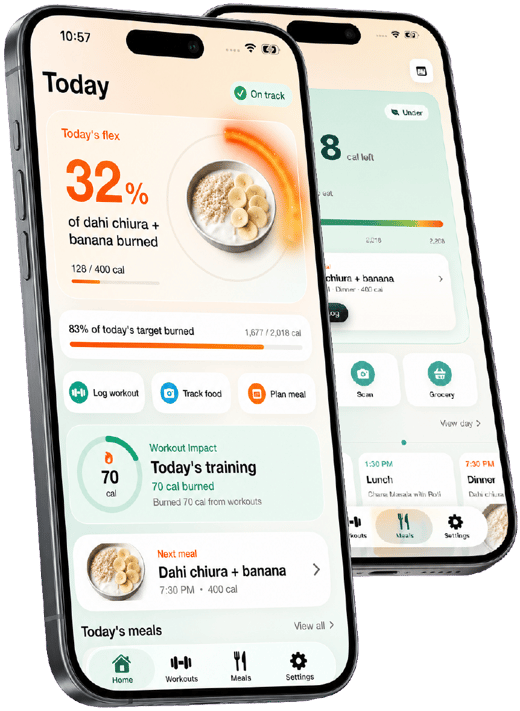
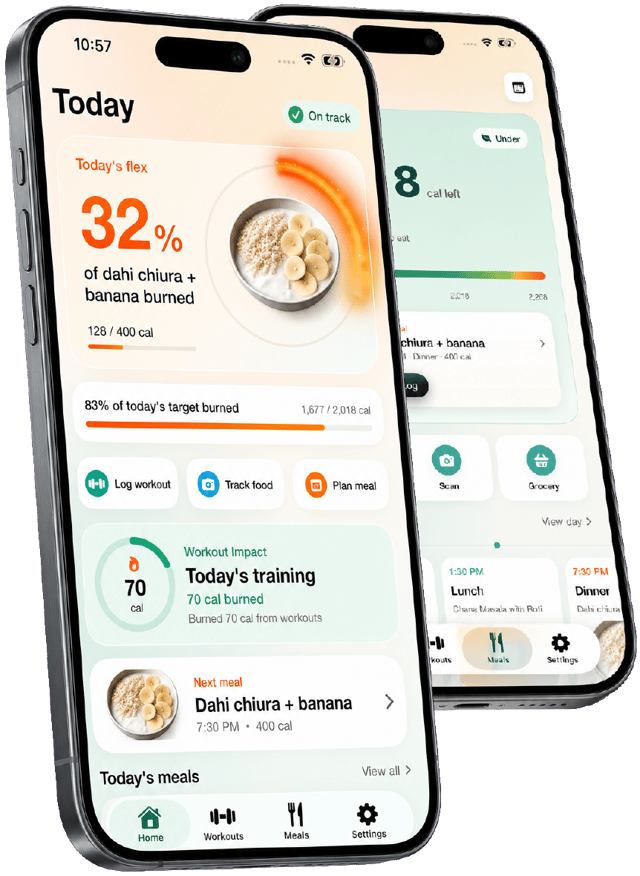
Burnplate sets a protein target from your body and goal, then builds meals — and logging — around hitting it every day, not just on paper.
Protein target set from your body and goal
Burnplate calculates a daily protein target from your weight, activity and goal, then breaks it into a per-meal range so you can see whether a meal pulled its weight.
Photo logging that catches the protein, not just the calories
Snap a plate and Burnplate estimates the protein along with the calories, so you know in seconds if a meal needs a side of Greek yogurt to close the gap.
A 7-day plan built around your protein number
The AI meal plan generates a week of meals that hit your protein target at each sitting, with a consolidated grocery list so high protein meal prep doesn't mean extra planning.
Swap meals, keep the protein
Don't want salmon Thursday? Swap it and Burnplate holds the meal's protein and calories in range, so the day's total doesn't quietly slip.
Practical guidance
Tips for sticking to a high protein diet plan
Small habits that make hitting a daily gram target routine instead of a chore.
- 01 Protein first, every meal
Decide the protein source before anything else goes on the plate. Everything else fills in around it.
- 02 Prep protein in batches
Grill or bake a few days of chicken, eggs and fish at once so a high protein meal is never more than a reheat away.
- 03 Keep a backup shake on hand
A quick shake covers a short day without derailing the rest of your meals.
- 04 Don't fear repetition
Three or four go-to high protein meals you rotate weekly beat a new recipe every night you'll eventually stop cooking.
- 05 Pair protein with fiber
Beans, vegetables and whole grains alongside protein add volume and keep meals filling without extra calories.
- 06 Log it to see it
Most people underestimate their protein until they track a few days — the gap is usually bigger than expected.

Get the week planned in one tap
Build my meal plan Burnplate builds a 7-day meal plan around your calories, protein and food preferences, writes the grocery list, and lets you swap any meal you don't feel like.
Questions
Meal planner for high protein: FAQ
How much protein is considered a high protein diet?
Most guidance calls 25–35% of daily calories, or roughly 1.6–2.2 g per kg of body weight, a high protein diet — noticeably above the standard 0.8 g/kg minimum. Active people and anyone in a calorie deficit tend to land at the higher end of that range.
What does a high protein meal prep day actually look like?
It's built around a protein source at every meal — eggs or yogurt at breakfast, a lean meat or fish at lunch and dinner, and a shake or dairy for snacks — spread so no single meal has to carry 80 g on its own. See the sample day above for a full 2,000-calorie example.
Can I get enough protein without shakes?
Yes, for most people. Chicken, eggs, Greek yogurt, cottage cheese, fish, tofu and legumes can cover a high protein target on their own; a shake is a convenient top-up, not a requirement.
Is a high protein meal planner useful for weight loss?
Very. Protein is the most filling macronutrient, so a plan that hits your protein target tends to leave you less hungry in a calorie deficit — and it protects muscle while the scale moves, which keeps your metabolism higher than pure calorie-cutting.
How does Burnplate build a high protein diet plan for me?
Burnplate sets your protein target from your body and goal, then its AI meal plan builds a 7-day week of meals that hit it at each sitting, with a grocery list and one-tap swaps that keep the day's protein and calories in range.
Do I need more protein on workout days?
Total daily protein matters more than exact timing, so most people can use the same daily target on training and rest days. What changes is calories — Burnplate's burn bar shows how much of a meal your workout has covered, so you can eat accordingly.
