Gluten-free breads, pastas and cereals are frequently made from refined rice or corn starch, which strips out much of the fiber and the B vitamins that fortified wheat flour naturally carries.
Why it's different
Why gluten-free eating needs more than a product swap
Whether it's celiac disease, a gluten sensitivity or a personal choice, the nutritional risk in gluten-free eating isn't gluten itself — it's what tends to replace it when the diet leans on packaged substitutes.
25–35 g fiber a day is the target, since many packaged gluten-free breads and cereals run lower in fiber than their wheat versions
<20 ppm gluten is the threshold most "gluten-free" labeling standards require, which is not zero but is considered safe for celiac disease
3–5 g average fiber gap per serving between a typical gluten-free bread and a whole-wheat one, per common food-composition data
Rice, potatoes, quinoa, corn, fruit, vegetables, legumes, meat, fish and eggs are gluten-free without any reformulation — building meals around them sidesteps the packaged-substitute downgrade entirely.
For celiac disease, even small amounts of cross-contact — a shared toaster, fryer oil, or cutting board — can trigger an immune reaction. For non-celiac gluten sensitivity, the threshold for what causes symptoms varies by person.
Gluten-free cookies and chips are still cookies and chips. The diet's benefit for people who need it is avoiding gluten, not an automatic upgrade in overall nutrition quality.
What it looks like
A sample gluten-free day
Around 1,900 calories built mostly from naturally gluten-free whole foods, with fiber tracked since it's the easiest thing to lose on this diet.
Example day on the plan
~1,900 calories30 g+ fiber110 g+ protein0 ppm target gluten
7:30 AM Eggs, potato hash & avocado3 eggs, diced potato, ½ avocado, sautéed peppers 460 kcal
10:30 AM Greek yogurt & berries1 cup Greek yogurt, ½ cup mixed berries, chia seeds 260 kcal
1:00 PM Chicken, rice & black bean bowl150 g chicken, 1 cup rice, black beans, salsa, avocado 540 kcal
4:00 PM Rice cakes & almond butter2 rice cakes, 2 tbsp almond butter 260 kcal
7:00 PM Salmon, quinoa & roasted vegetables150 g salmon, ½ cup quinoa, roasted vegetables, olive oil 460 kcal
Smart swaps
Gluten-free bread as the fiber source Rice, quinoa, potatoes or legumesNaturally gluten-free carbs typically carry more fiber than a reformulated bread.
Gluten-free cereal Oats labeled certified gluten-free, or eggsCertified oats and eggs avoid both the gluten risk and the low-fiber, low-protein profile of most GF cereal.
Soy sauce Tamari or coconut aminosRegular soy sauce contains wheat; tamari and coconut aminos are naturally gluten-free substitutes.
A shared toaster or fryer A dedicated toaster or fresh oilFor celiac disease specifically, cross-contact from shared equipment is enough to trigger a reaction.
How Burnplate handles it
How Burnplate builds a gluten-free week
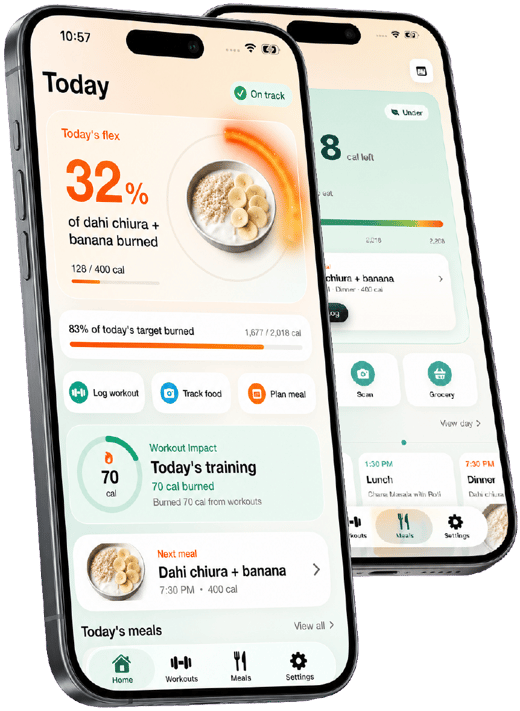
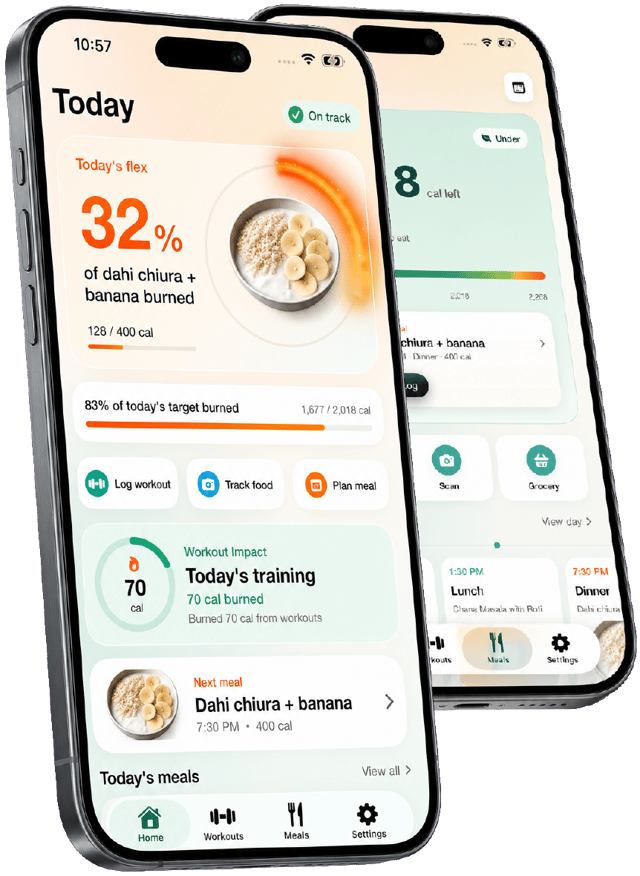
Burnplate builds meals from your calorie and protein targets using naturally gluten-free ingredients when you set that preference.
Protein and calorie targets set for you
Burnplate calculates your daily protein and calorie targets from your body, goal and activity, so a gluten-free plan has a clear number to build meals around.
A 7-day gluten-free plan with a grocery list
Set your food preference and Burnplate's AI meal plan builds a week around rice, potatoes, quinoa, legumes, meat, fish and produce, with a consolidated shopping list.
Photo logging for restaurant meals
Snap a plate when eating out and Burnplate estimates calories and macros — useful since gluten-free menu items vary widely in how they're actually prepared.
Swap any meal, stay gluten-free
Not feeling the salmon? Swap it for another gluten-free meal and Burnplate keeps the day's calories and protein in range.
Practical guidance
Tips for a gluten-free diet plan that doesn't shortchange you
Habits that keep gluten-free eating nutritionally solid instead of just gluten-absent.
- 01 Build meals around naturally GF staples
Rice, potatoes, quinoa, corn, legumes, meat, fish and produce are gluten-free without a label to check.
- 02 Check fiber on packaged GF products
Compare the fiber line to what a regular version would carry — many gluten-free breads and cereals run noticeably lower.
- 03 Choose certified gluten-free oats
Regular oats are often cross-contaminated during processing; certified ones are tested to a safe threshold.
- 04 Ask about prep, not just ingredients, when eating out
A gluten-free item cooked in shared fryer oil or on a shared grill can still cause a reaction for celiac disease.
- 05 Watch for hidden gluten in sauces
Soy sauce, some salad dressings and gravies often contain wheat as a thickener — tamari and cornstarch-based versions are safer defaults.
- 06 Get tested before going gluten-free if celiac disease is a concern
Testing for celiac disease requires gluten still be in the diet — talk to a doctor before eliminating it if diagnosis matters to you.

Get the week planned in one tap
Build my meal plan Burnplate builds a 7-day meal plan around your calories, protein and food preferences, writes the grocery list, and lets you swap any meal you don't feel like.
Questions
Meal planner for gluten-free eating: FAQ
What's the difference between a gluten intolerance and celiac disease?
Celiac disease is an autoimmune condition where gluten damages the small intestine, and even trace cross-contamination matters. Non-celiac gluten sensitivity causes symptoms without the same immune or intestinal damage, and thresholds for what triggers it vary by person. Both call for a strict or careful gluten-free diet, but for different underlying reasons.
Is a gluten free diet plan automatically healthier?
No. Gluten-free packaged snacks, breads and desserts are still processed food, and some are lower in fiber than their wheat-containing counterparts. The healthiest gluten-free approach leans on naturally gluten-free whole foods — meat, fish, produce, rice, potatoes and legumes — rather than reformulated packaged substitutes.
What foods are naturally gluten-free?
Meat, poultry, fish, eggs, dairy, fruit, vegetables, rice, potatoes, quinoa, corn and legumes are all naturally gluten-free — none of them need a specific gluten-free label because they were never made with wheat, barley or rye to begin with.
How do I avoid a fiber gap on a gluten-free meal planner?
Lean on rice, quinoa, potatoes, legumes, fruit and vegetables rather than gluten-free breads and cereals, which are frequently lower in fiber than wheat-based versions. Checking the fiber line on any packaged gluten-free product against a regular equivalent is a quick way to catch the gap.
Can Burnplate build a gluten-free meal plan?
Yes. Set your food preference and Burnplate's AI meal plan builds a 7-day week around naturally gluten-free ingredients, sized to your calorie and protein targets, with a grocery list and one-tap swaps.
